

Di Sekitar Kita: Urban Biodiversity Challenge aims to identify and map habitats and biodiversity that we can find in Malaysian cities, especially those that may be “under the radar”, as well as unpacking preliminary insights into the norms, values, attitudes and perceptions of various stakeholders towards urban biodiversity.
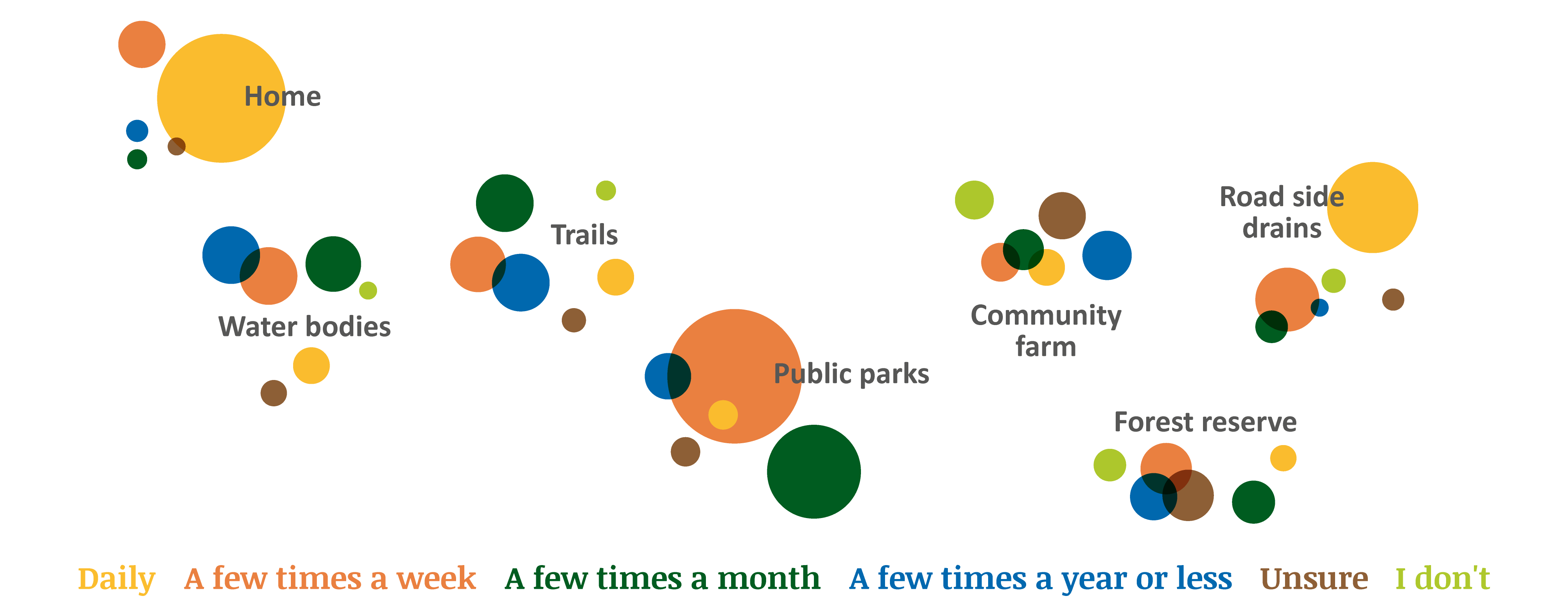
Our survey has shown that we mostly spend time with nature that are close to our homes, followed by those we observe at the roadside drains and public parks while walking and exercising. Some of us who are more attentive also spend time with nature by visiting water bodies, community farms, forest reserves and trails that are available in our cities. We find that community farms and forest reserves are the least familiar places to our respondents.
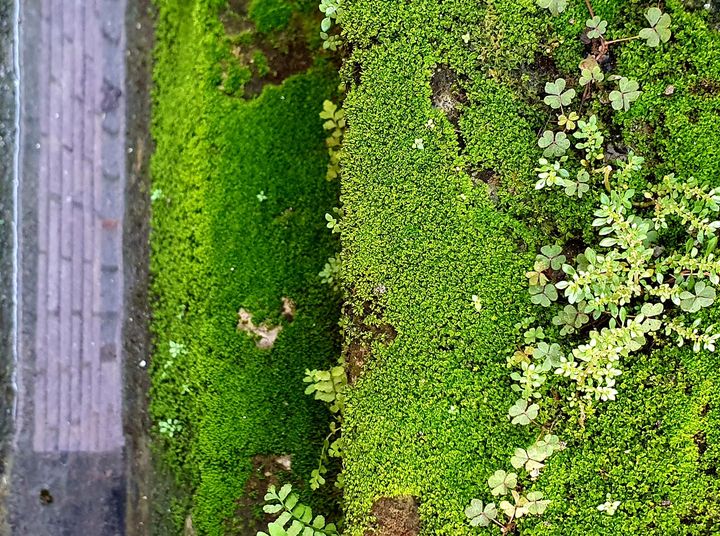
“Drain at my backyard. The beauty of mosses.”
UBFC Participant, Kajang, Selangor
By the numbers
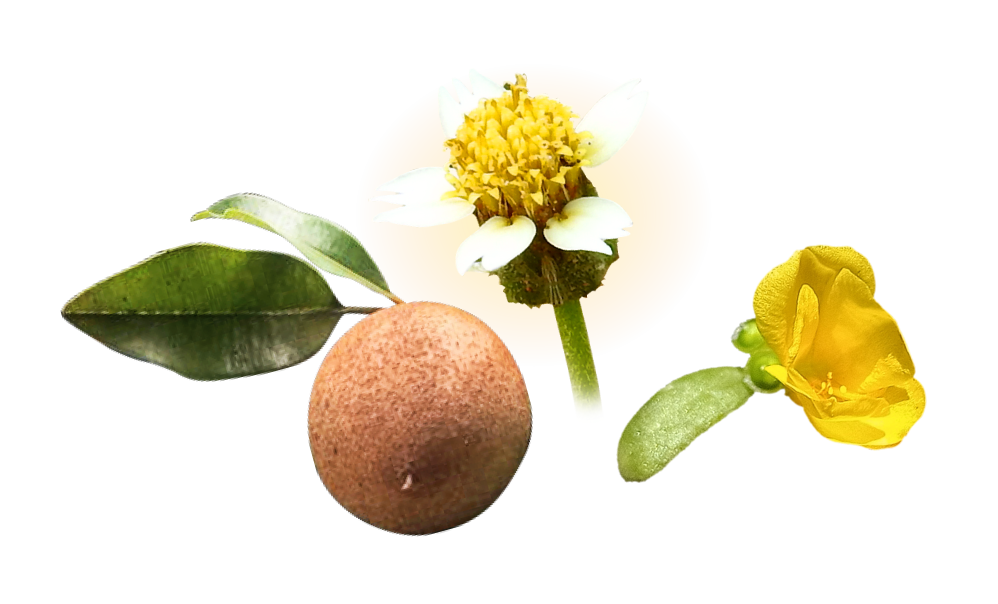
Most of the observed plants were colorful wild plants, food plants or ornamental plants.
The plants and animals that were observed tended to be species that can be found in gardens and parks.
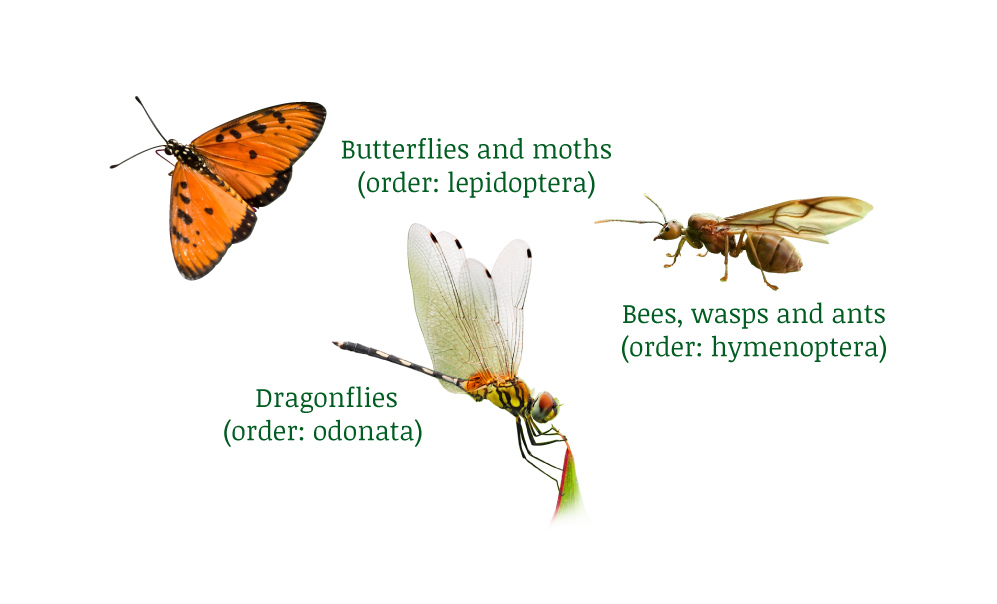
Most observed insects
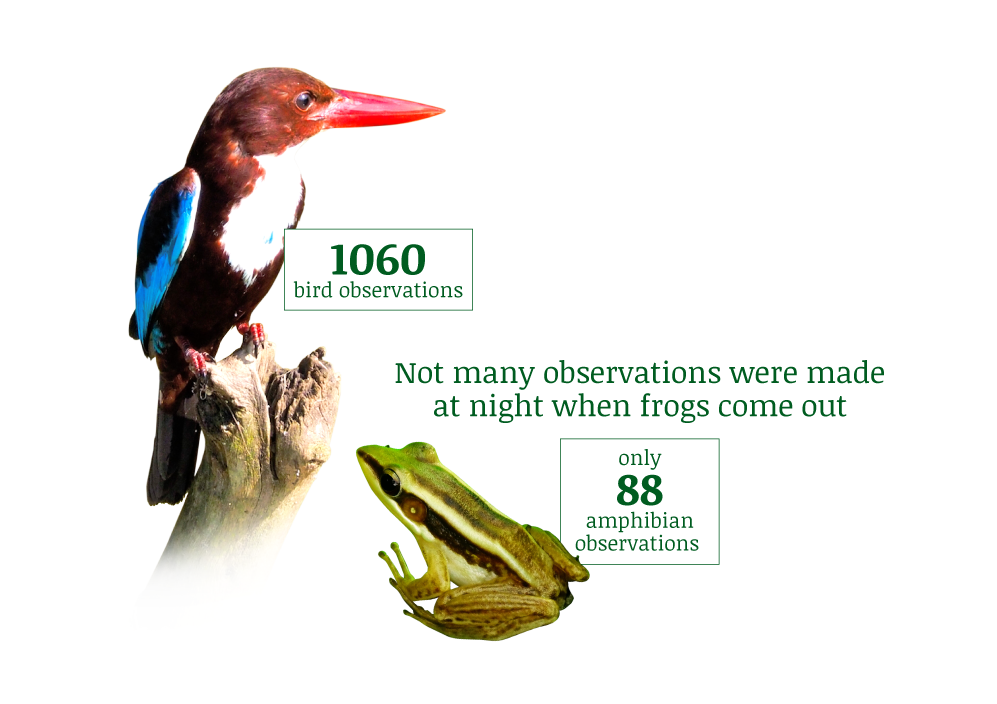
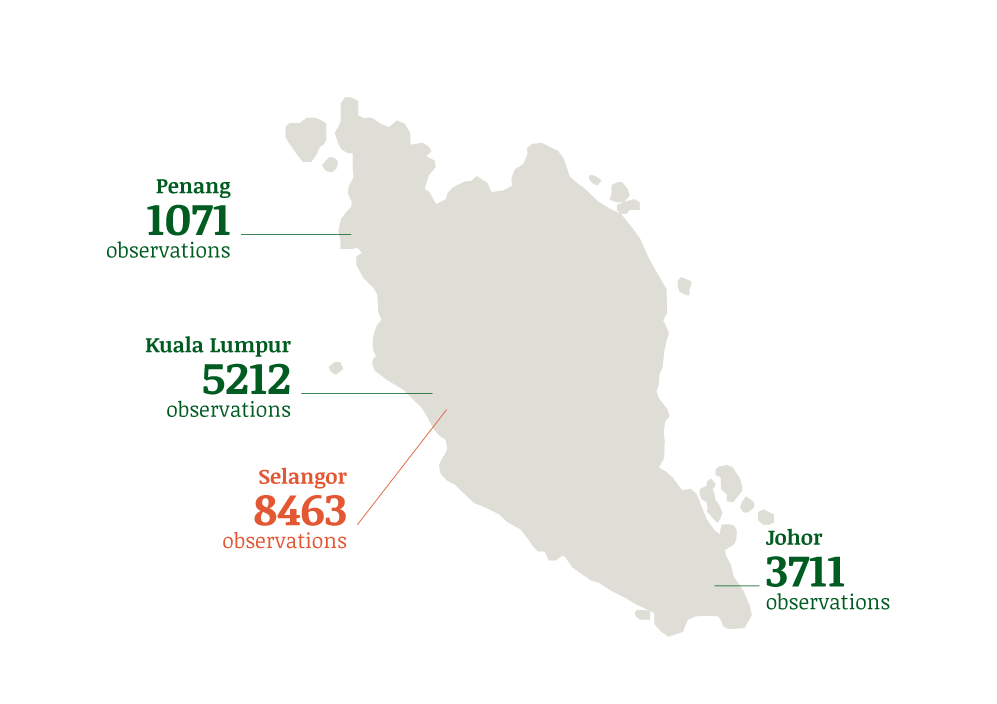
Plants were observed more than animals. The number of plant observations was more than double (68%) that of animal observations (28%)
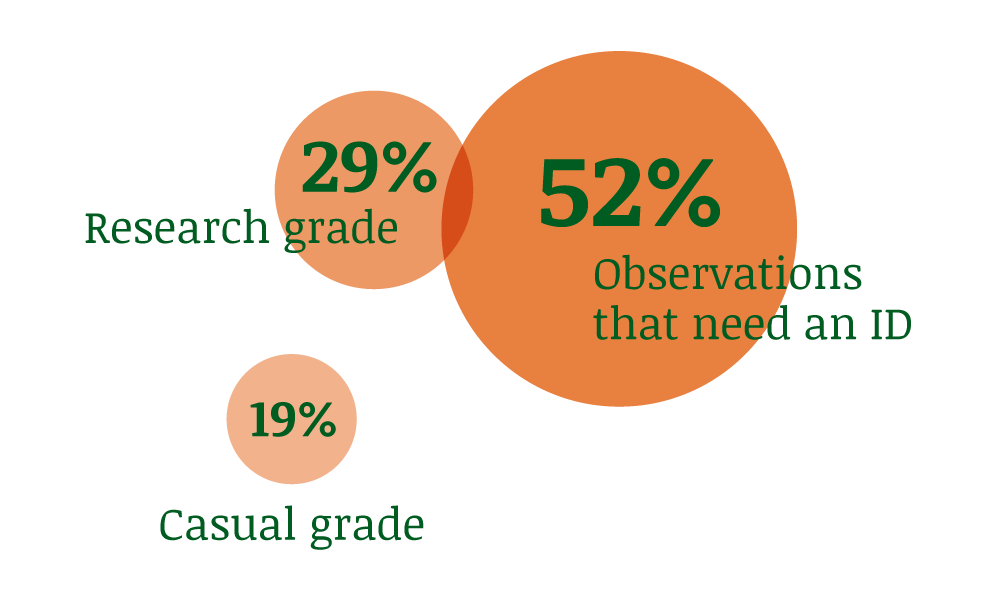
Slow, very common or
docile animals tended to
get recorded more
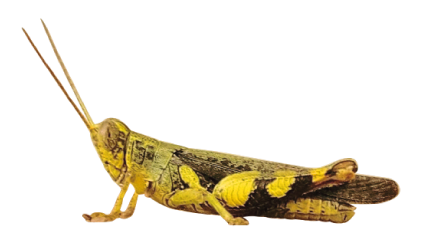
Insect
(most recorded animals)
3448 observations
Top 10 animal species observed
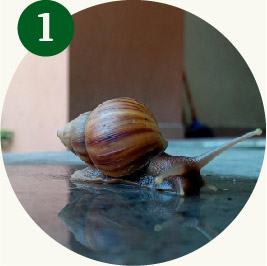
Giant African land snail
Lissachatina fulica
133 Observations
read more
Large, slow moving, very easy to spot and common in gardens; the GALS was the number one animal observed. Likely because it is easy to record. This species is a garden pest and vector for diseases such as rat lungworm.
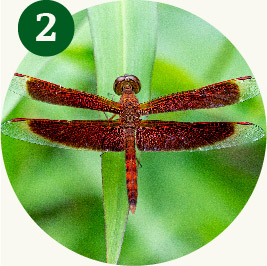
Common parasol
Neurothemis fluctuans
83 Observations
read more
A colorful garden dragonfly, the Common parasol can breed in a variety of watery habitats. Commonly seen in gardens near drains or small ponds.
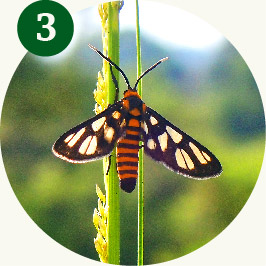
Hübner’s wasp moth
Amata huebneri
72 Observations
read more
This small brightly colored moth is very common in fields and gardens. Usually it is seen resting under leaves in the daytime, which may explain why there are so many photographs of them. The larva can survive on a variety of food plants but are rarely seen.
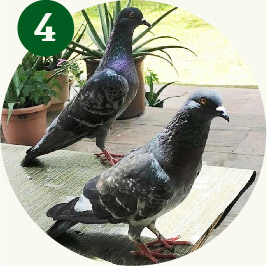
Rock pigeon
Columba livia
60 Observations
read more
Adapted to living on rock cliffs and caves, these birds have found a home in our concrete jungles. They often build nests on buildings. Their large flocks and lack of fear of humans are probably the reason why it is the most observed vertebrate.
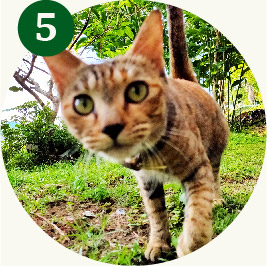
Domestic cat
Felis catus
59 Observations
read more
It is not known where the first cats were domesticated, but they have long been human companions. Outdoor cats kill many birds and small animals and are a major threat to biodiversity, it’s best to keep them inside at all times or make them wear collars with bells.
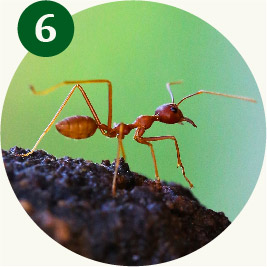
Weaver ant
Oecophylla smaragdina
55 Observations
read more
The weaver ant is very common in gardens, and their painful stings are very easy to notice. They make nests out of leaves by gluing them together using silky thread. Weaver ant colonies are known to suppress other insect pests such as caterpillars.
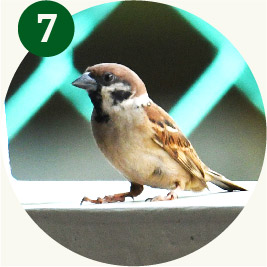
Eurasian sparrow
Passer montanus
51 Observations
read more
The Eurasian tree sparrow is a common sight near houses, especially older ones where there are still wooden verandahs which it uses for nesting. Feeding on seeds and insects, these birds often raid food scraps as well.
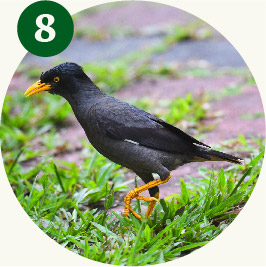
Javan myna
Acridotheres javanicus
49 Observations
read more
Wiped out in its native range by the song bird trade, the Javan myna is now almost extinct in its home island of Java. Ironically the birds brought to Malaysia by this trade have taken over and become an invasive species. They are often found in fields hunting for insects to eat.
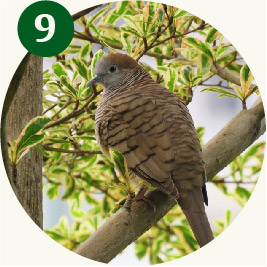
Zebra dove
Geopelia striata
48 Observations
read more
Often seen in pairs that search fields and roads for small seeds and insects to eat. The tame Zebra dove is easy to approach. While they are usually seen on the ground, they build well-hidden nests in trees.
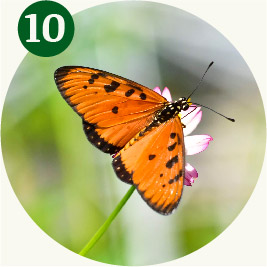
Tawny coster
Acraea terpsicore
47 Observations
read more
The most common observed butterfly, it’s a brightly coloured slow flyer that can use many common weeds and wildflowers as host plants. It’s very easy to find in open fields and gardens.
The machine learning algorithm likely also played a role in skewing towards more colorful plants, since color is additional information that is useful for machine vision identification. For plants, the main traits that made them easy to observe and identify were colorful flowers or leaves, cultural importance or culinary use. Most of the highly observed plants were plants that are common in gardens or parks.
Top 10 plant species observed
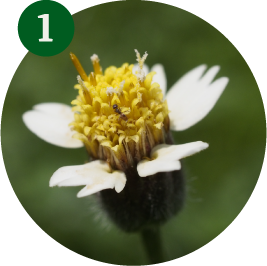
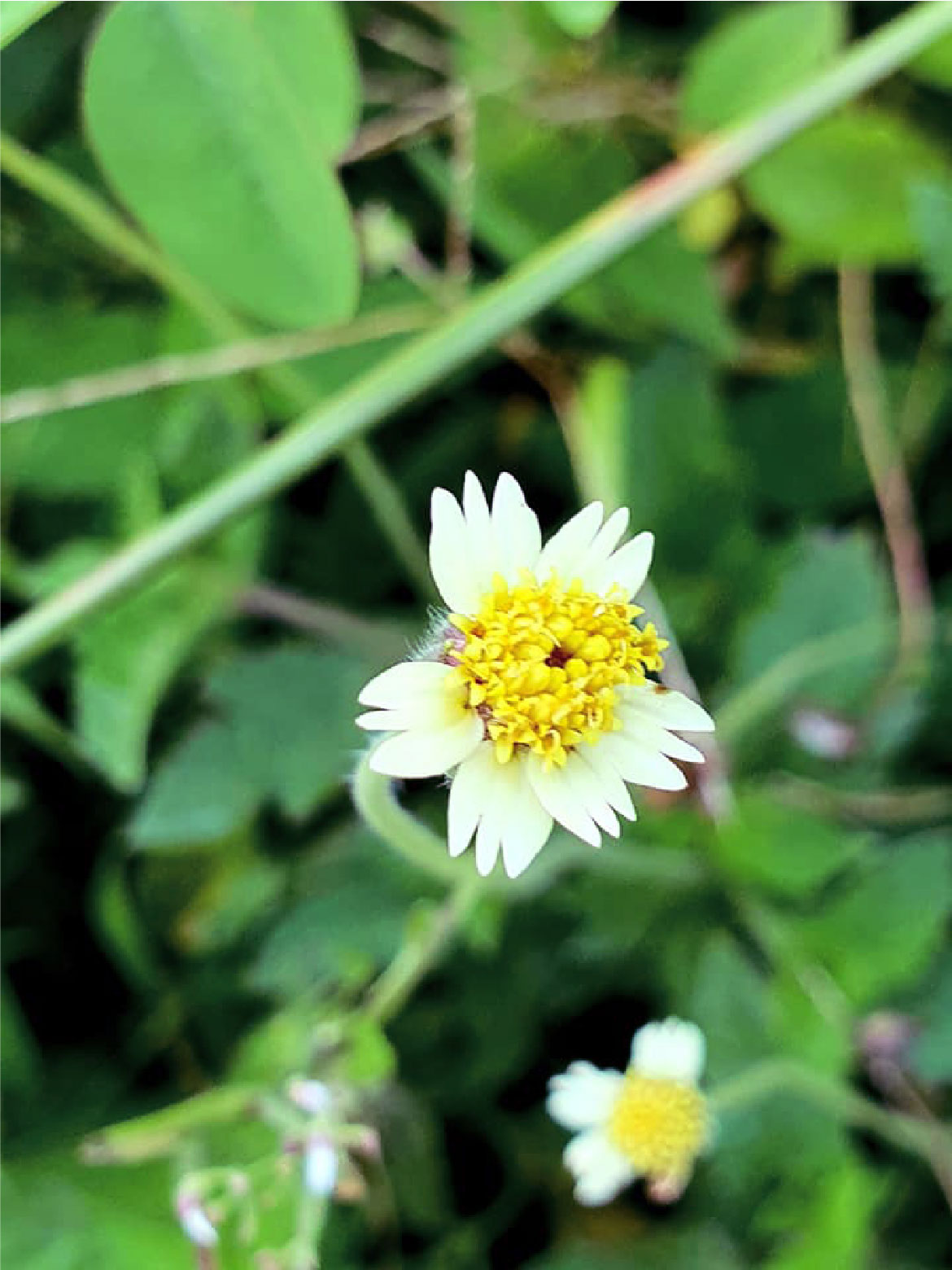
Tridax daisy
Tridax procumbens
160 Observations
read more
A very common wildflower that grows in shallow or poor soils. It is often found on roadsides or in cracks near drains. Easy to identify based on its attractive white and yellow flowers and very common in urban areas, it’s little wonder that it managed to get first place.
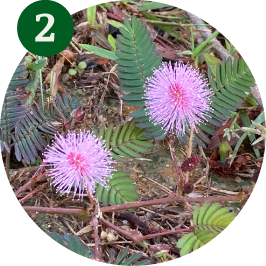
Touch-me-not
Mimosa pudica
116 Observations
read more
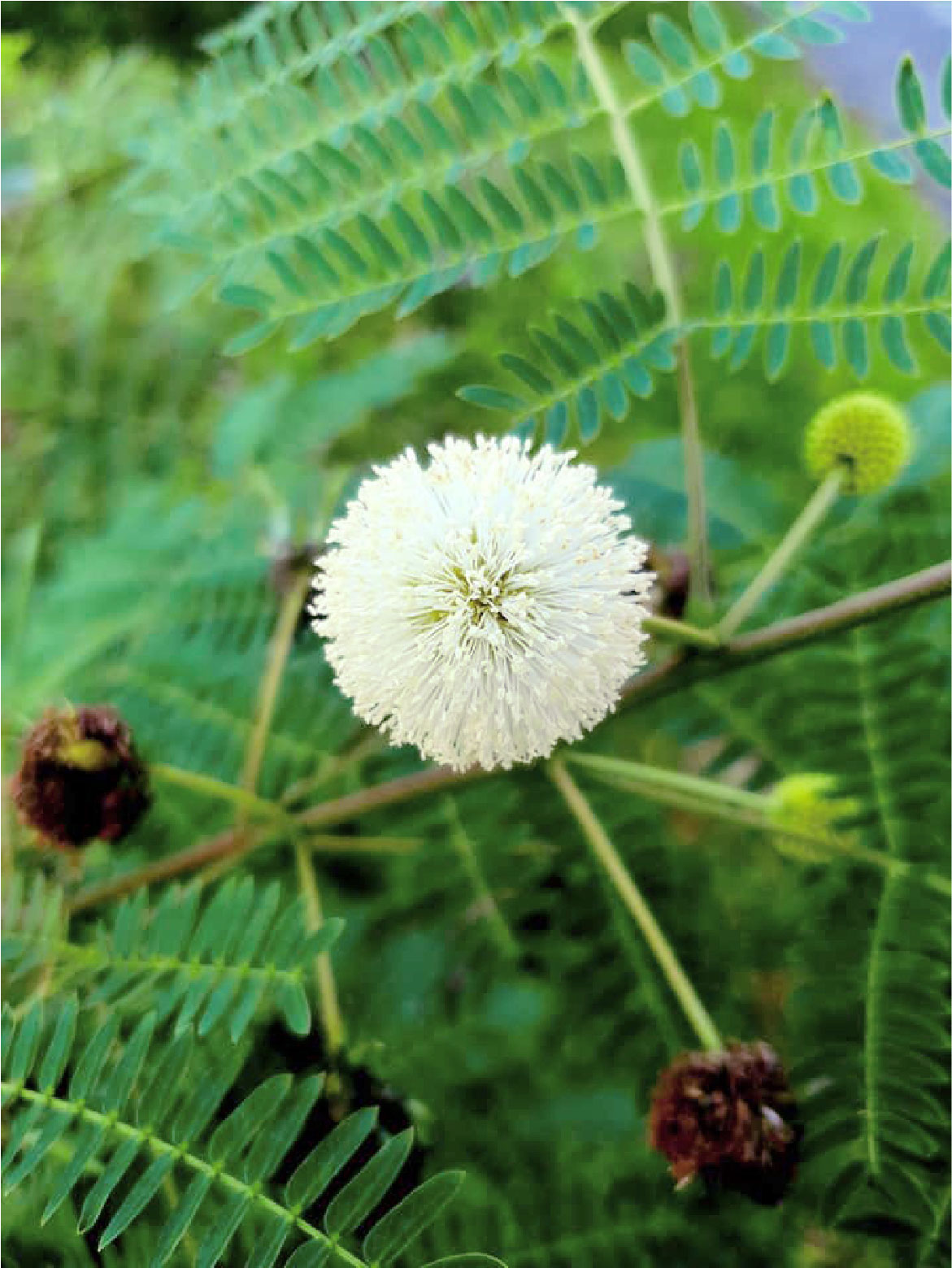
Very common growing in fields as a weed, many Malaysian have memories of stepping on these plants while playing barefooted. It has light purple flowers and distinctive fast-closing leaves. Likely this species got to 2nd place because it is one of the few species that the public can name due to it being in the secondary school science syllabus.
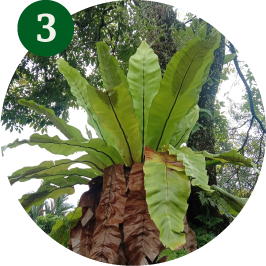
Birds nest fern
Asplenium nidus
101 Observations
read more
Representing non-flowering plants, the Birds nest fern takes 3rd place. A common large epiphyte that grows on many urban trees, it is also used as an ornamental plant in many houses. The iNaturalist app is very good at recognizing this species, which may have contributed to the number of observations.
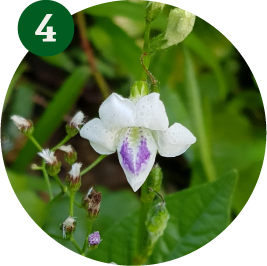
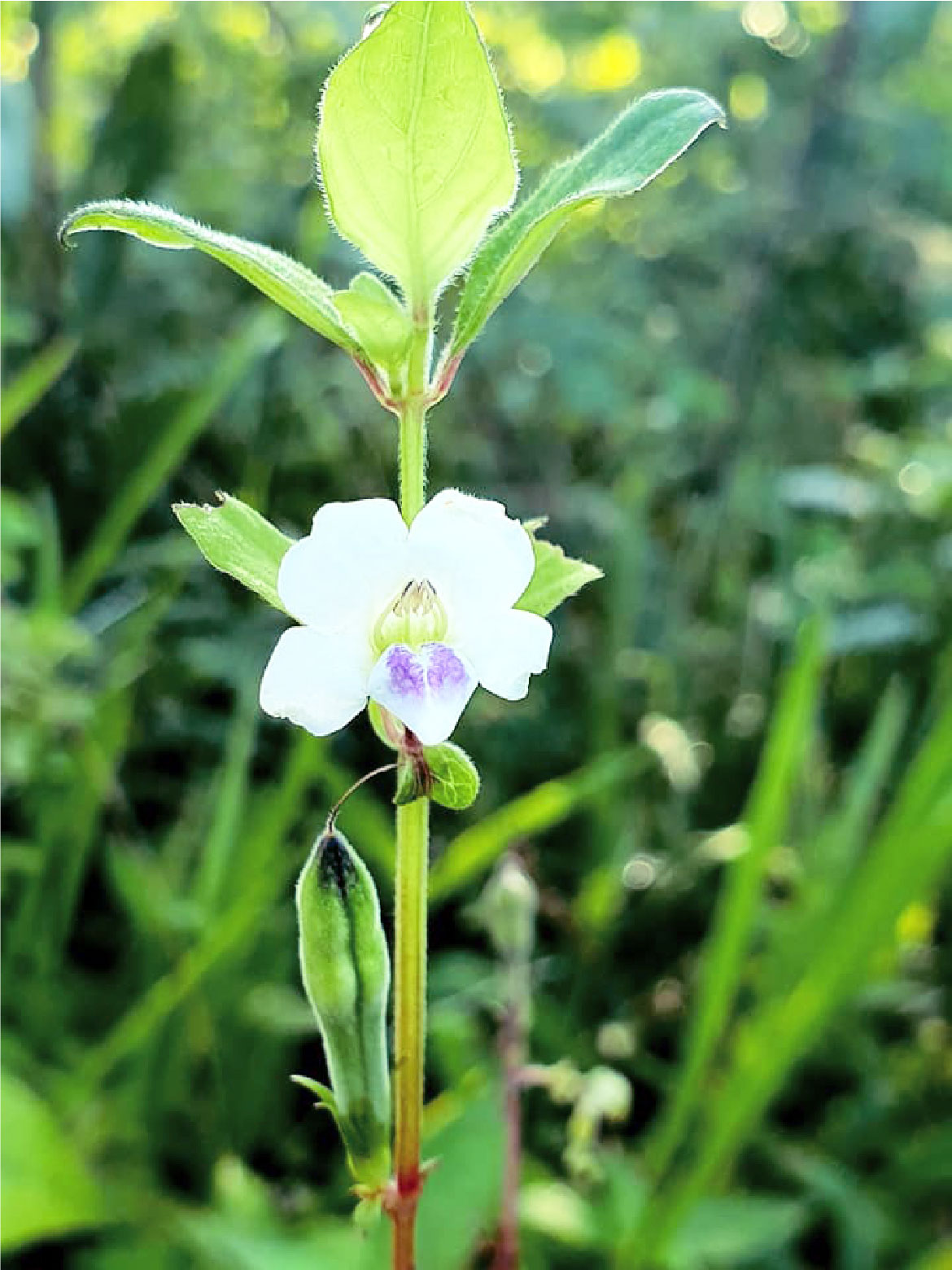
Coromandel
Asystasia gangetica
89 Observations
read more
This wildflower is an escaped ornamental plant that originates from India. It is a common sight in wild growing shrubs and ‘semak’, where it attracts bees and butterflies. Its very distinctive white and purple flower makes it easy to identify.
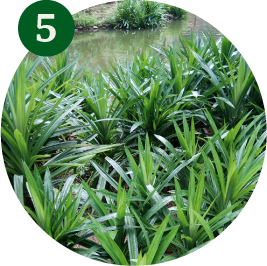
Pandan
Pandanus amaryllifolius
86 Observations
read more
This fragrant plant is the basis for many local delicacies. Because of this it is often planted near houses so it can be harvested when needed. Since it can be easily propagated using cuttings, it is quite easy to share among neighbours.
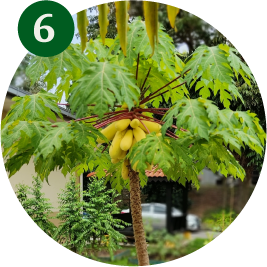
Papaya
Carica papaya
83 Observations
read more
Originating from tropical America but often considered a local fruit, the papaya is one of the easiest fruit trees to plant in a garden. This makes it very abundant and easy to find in local neighbourhoods. Surprisingly this is the only tree in the top ten.
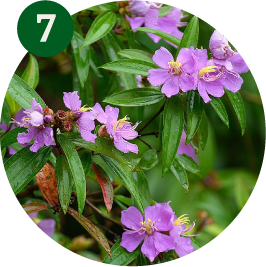
Senduduk
Melastoma malabathricum
73 Observations
read more
A common shrub with purple flowers. Capable of standing heat, dry soils, wet soils and poor nutrients, it often grows wild in unattended land and can create large thickets. It produces small berries that are edible to both humans and birds. Many bee observations were associated with this flower.
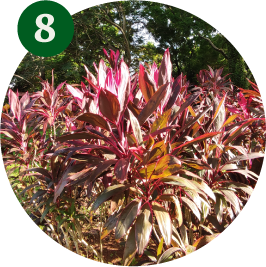
Cordyline
Cordyline fruticose
72 Observations
read more
Native to South East Asia, it was first domesticated by Australonesians thousands of years ago and spread all the way to Hawaii. It is believed to have spiritual properties by many indigenous tribes and is used as a “pagar” against spirits. Some of these animistic beliefs are lost in modern society and it is now mainly used as an ornamental plant.
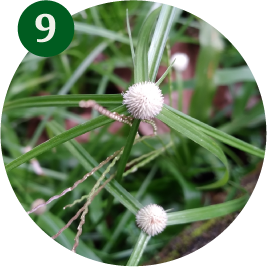
Whitehead spikesedge
Cyperus mindorensis
72 Observations
read more
A very common sedge with a very distinctive white tuft-like flower. It often grows in shaded areas or in fields amongst grass. Sedges have triangular cross sections compared to the rounder cross sections of grass.
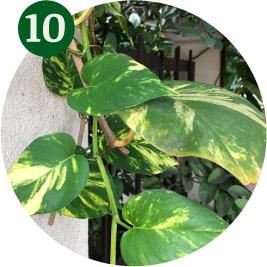
Money plant
Epipremnum aureum
72 Observations
read more
An ornamental creeping plant that can survive in shaded and low nutrient conditions. It is often planted by the Chinese community because of the belief that it can bring wealth energy into a home.
Why we LIKE
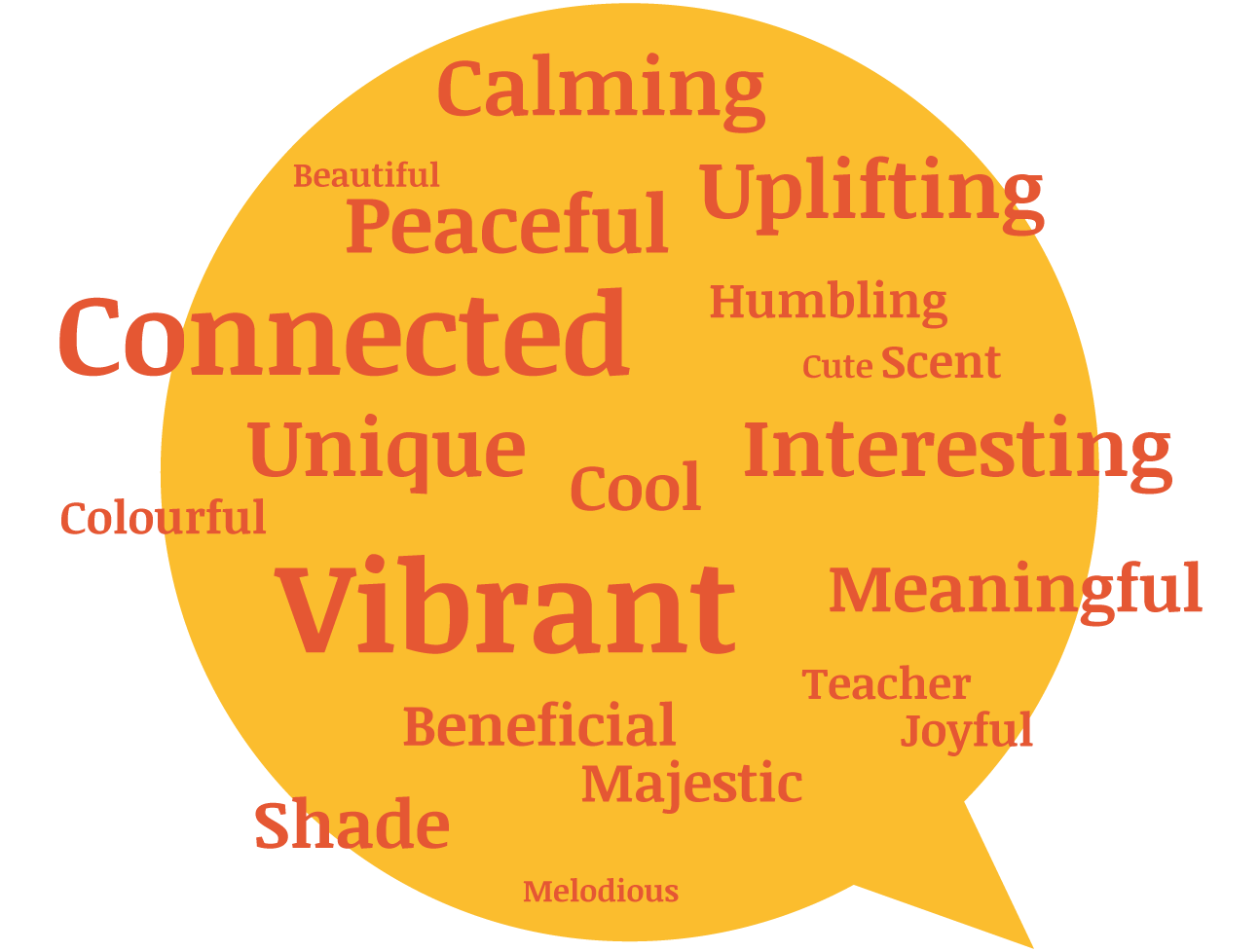
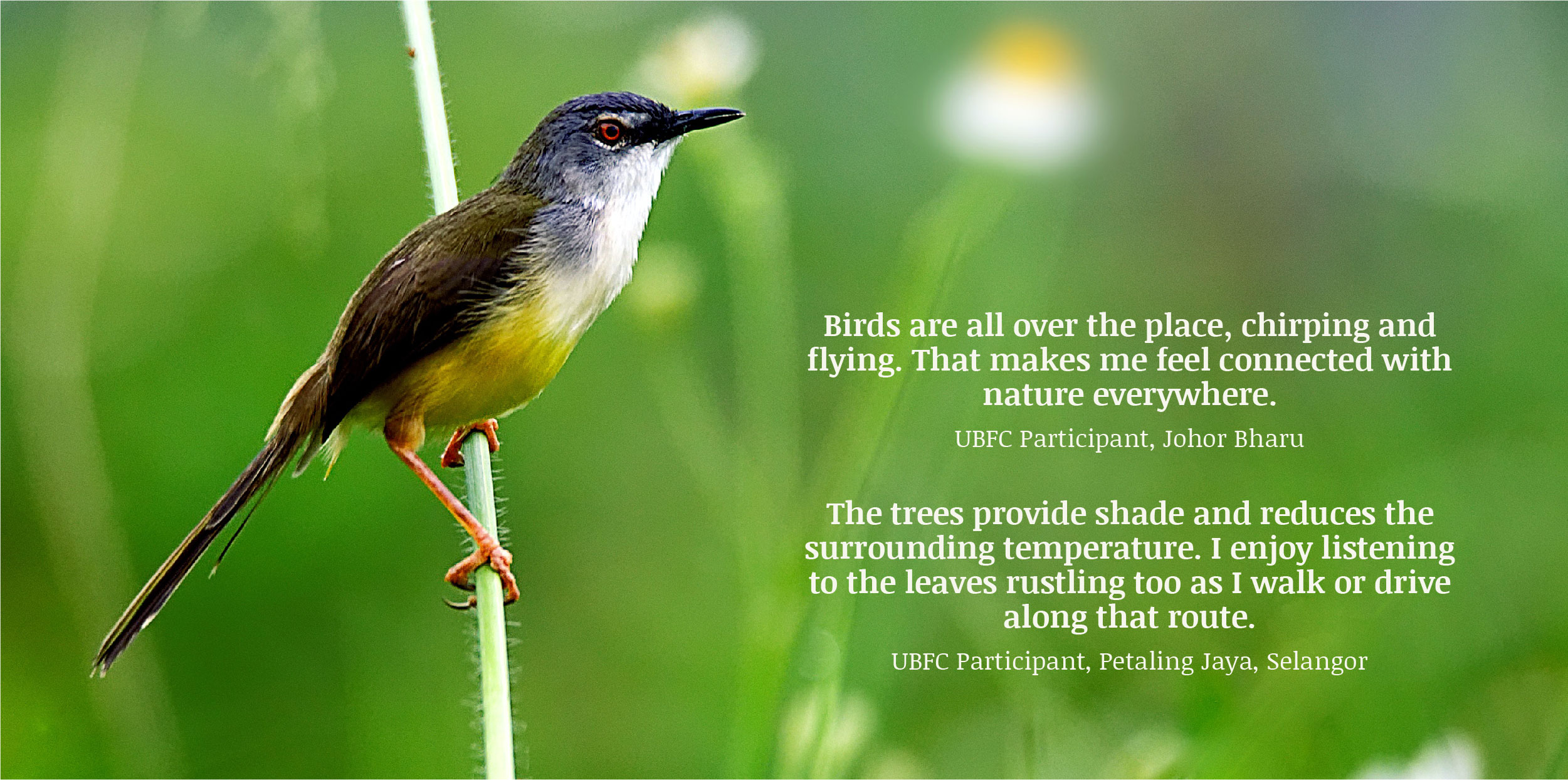
The group of animals that are most-liked are birds, while trees were the most-liked group of plants. However, there are also enthusiasts of butterflies, bees, squirrels, monkeys, and weeds (especially, the flowery ones). They are generally liked because they are beautiful, interesting, unique, melodious, colourful – and this makes us feel calm, connected, and uplifted.
Why we HATE
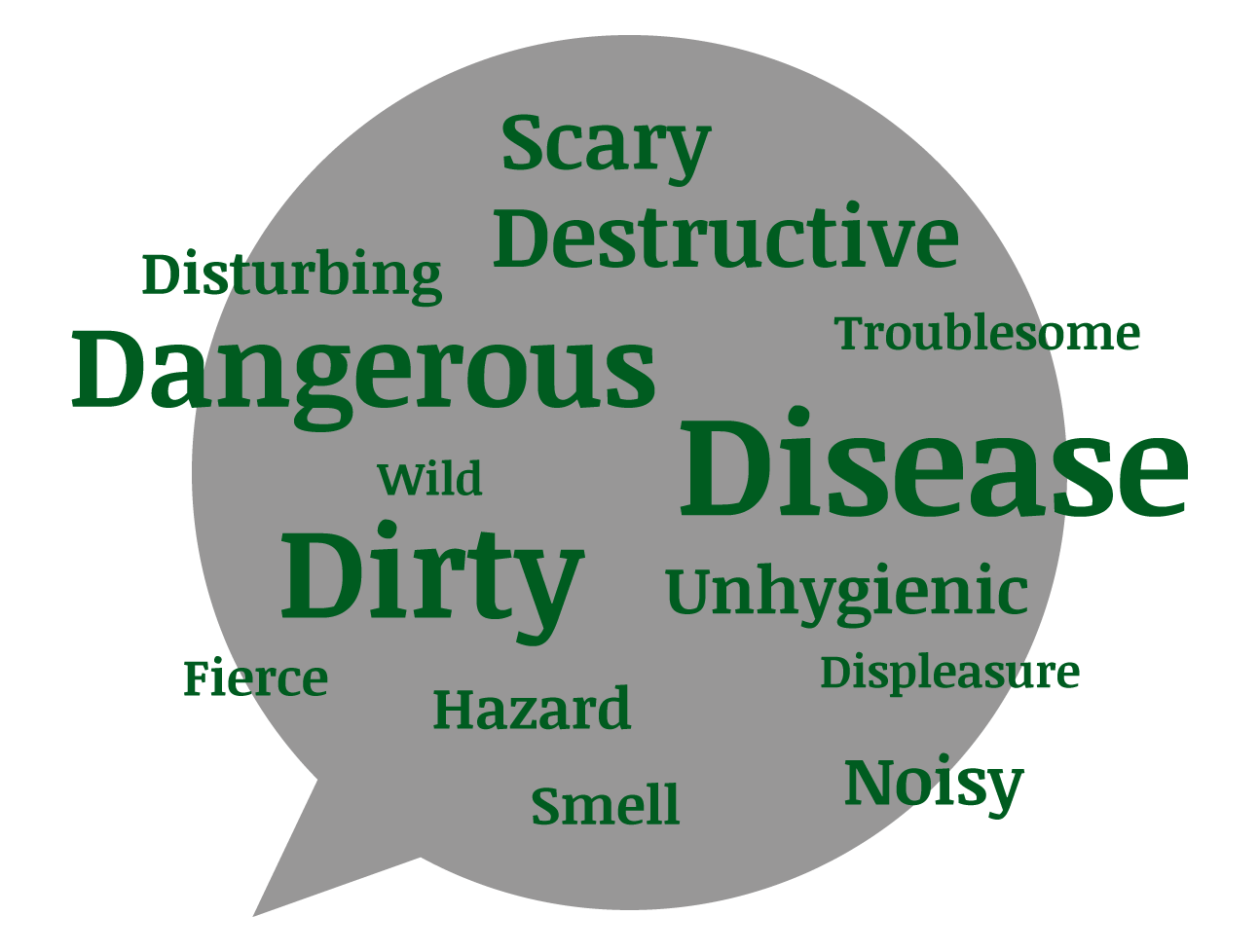
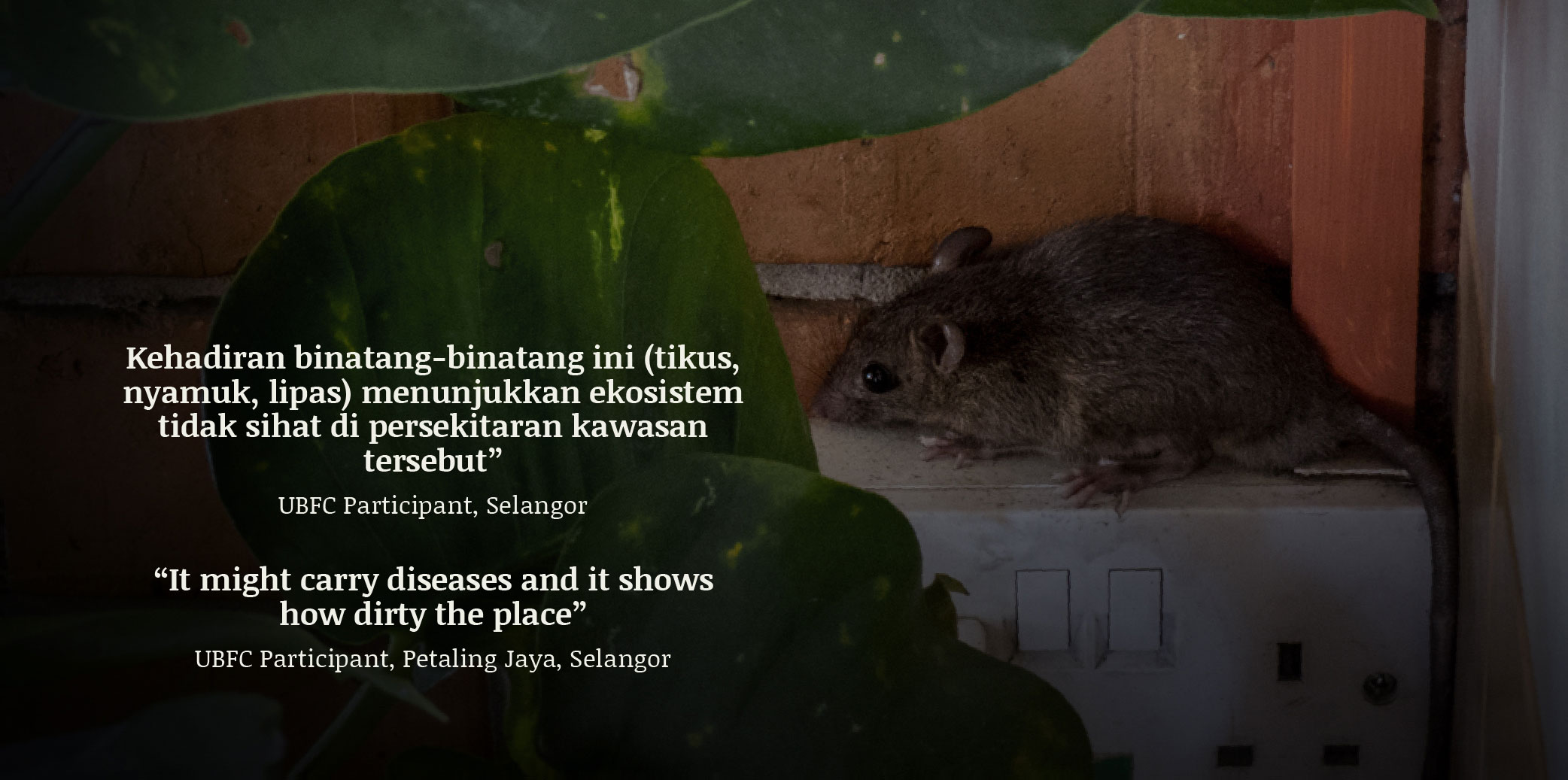
While our respondents generally liked plants, most are not in favour of ‘animals’ that are considered as pests. These include rats, mosquitoes, cockroaches, snakes, monkeys, and stray dogs/cats. They are disliked because they are generally regarded as dirty, dangerous, unhygienic, disturbing, and can carry diseases. Indeed, the presence of some of these animals in the city may reflect ecosystem disturbances and imbalances. In terms of plants, there were some negative perception towards certain types of invasive trees and “messy” bushes, grasses, and weeds.
To learn more about urban biodiversity perception
How did we divide the categories? The categories were based on the median of the entire dataset (7 observations). Using a Hampel filter, which considers the values outside the interval formed by the median, plus or minus 3 median absolute deviations (MAD) as outliers. We then repeated the filter and found the outliers of the outliers, the extreme users, and separated them from the enthusiast users.
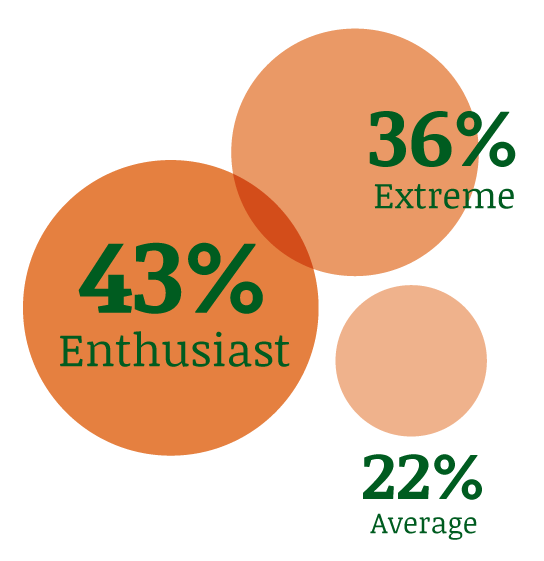
Figure 1: The proportion of observations by user type. Note that 78% of observations were collected by 145 users.
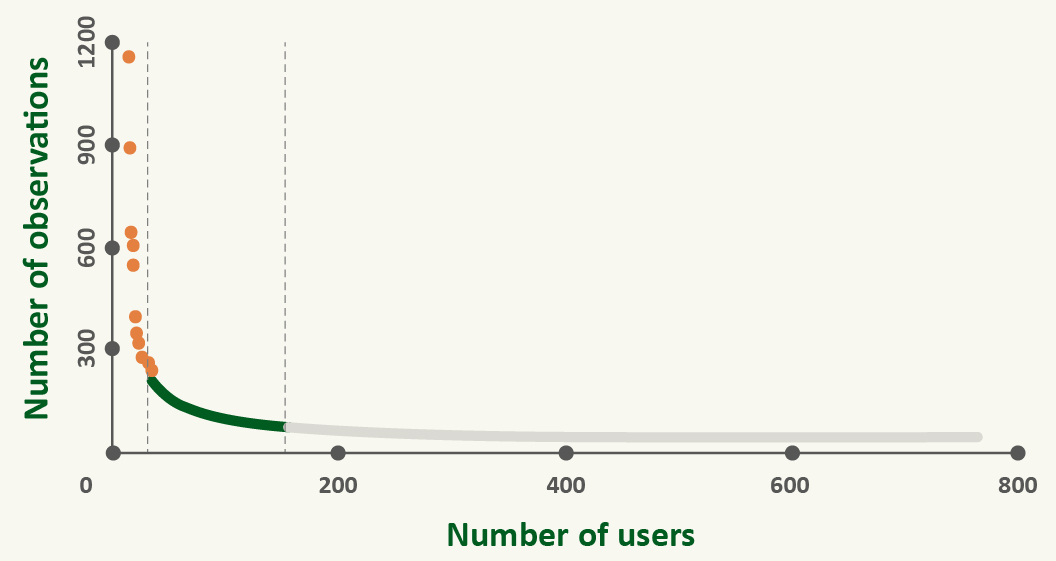
Figure 2: The J shaped curve of user observations. Some users collected magnitudes more observations than others. This follows the power law in which a minority of users collect a majority of the information.
So what lessons can we learn from this?
1) Users behave differently. Some just snap a few photos and get bored, while an extreme minority collects hundreds of observations each.
2) A lot of the observations were generated by about a quarter of the user base.
3) A majority of users tend to focus on common animals and plants instead of rarer ones. Even extreme users added to common species observations.
4) Species results are biased by the species identification algorithms and the skills of the users.
Citizen Science refers to activities where local communities support scientific monitoring and analysis related to various social and environmental concerns.
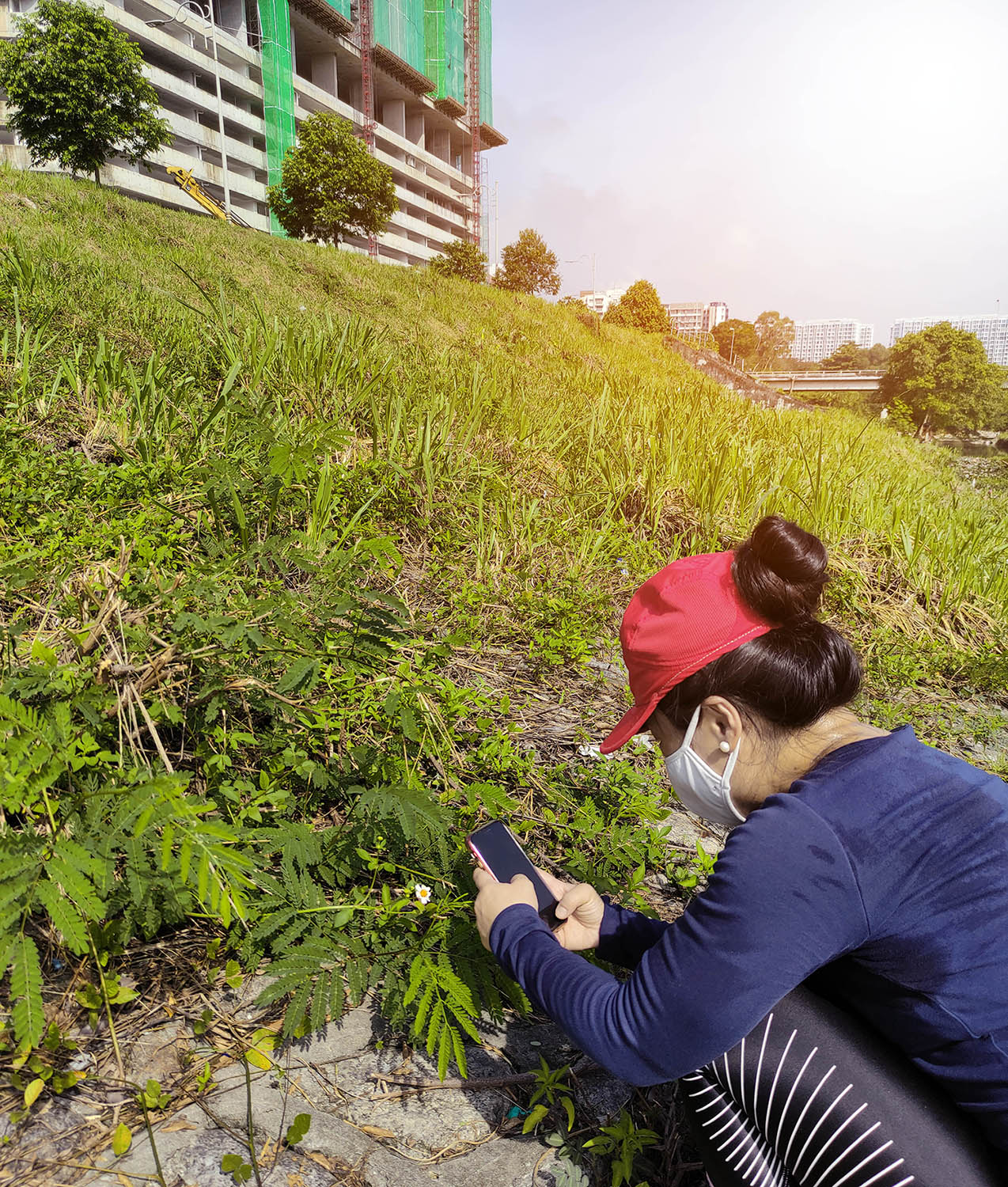
In terms of urban biodiversity conservation, one of the biggest citizen science programmes is the City Nature Challenge (CNC)—a four-day event held in April every year to document urban biodiversity in cities around the world using i-Naturalist, an online citizen science platform and application. The design of the UNDP & Sekitar Kita Urban Biodiversity Frontier Challenge (UBFC) is based on the CNC, but with the period of observation extended to 10 days.
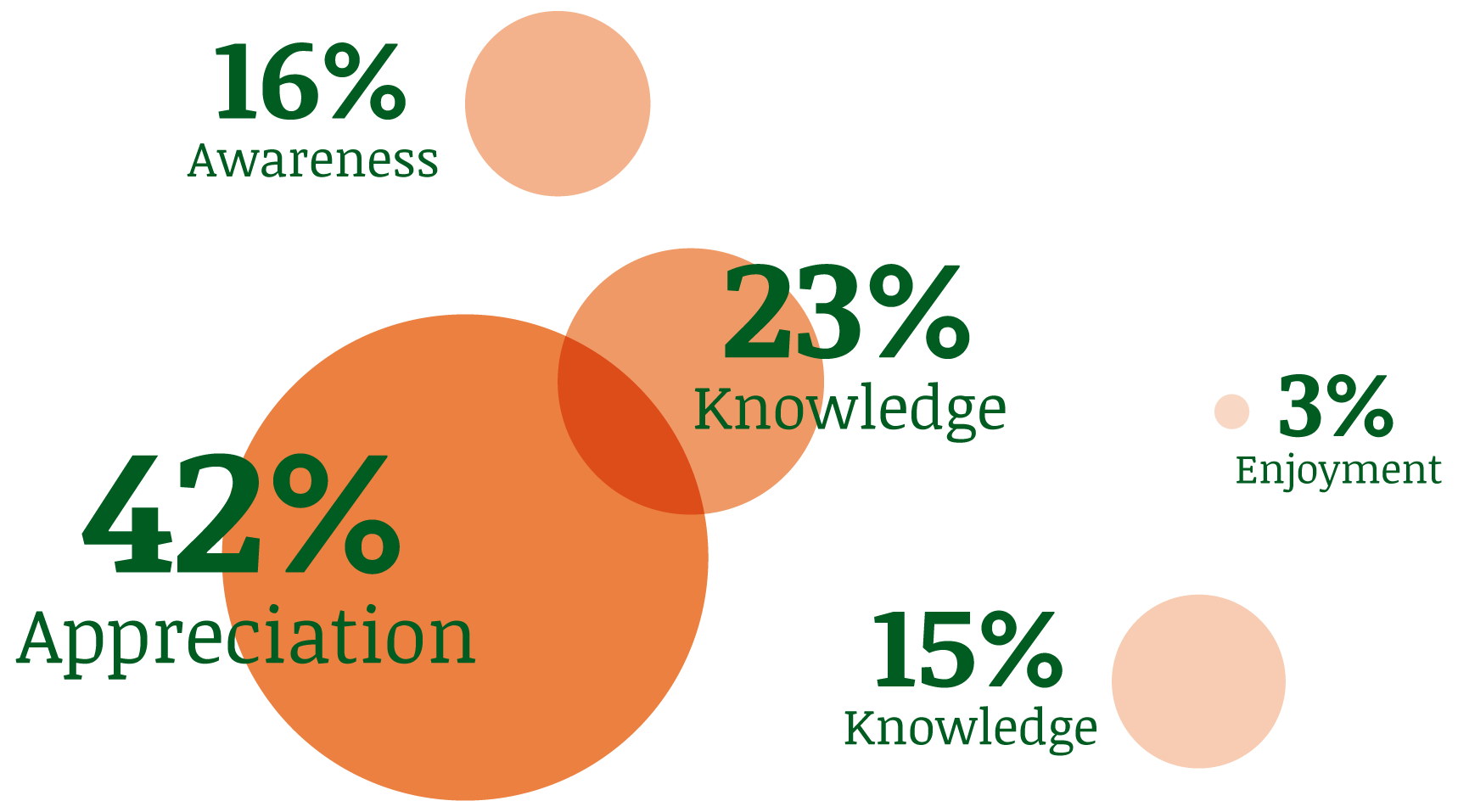
Figure 3
As an approach to engage the public in urban biodiversity conservation efforts, UBFC seems to have had a positive impact. More than half of the respondents expressed renewed appreciation towards urban biodiversity after being involved in UBFC. Others indicated that they have gained new awareness, knowledge, and skills. Some specifically mentioned that they enjoyed the programmes as well (Figure 3).
“We don’t need to venture far to see wildlife and nature. There are lots of little creatures around us if we take the time to slow down and observe”
UBFC Participant, Shah Alam, Selangor
“Urban biodiversity seems to receive a public misperception that it is not as rich as biodiversity in the wild. However, nature works wonders whereby many species have characteristics that enable them to adapt to the developing urban areas.”
UBFC Participant, Kuala Lumpur
There is the potential that a citizen science programme like UBFC can lead participants to be more proactive in learning about and caring for nature. When participants were asked whether UBFC has inspired them do more for biodiversity conservation, most responded positively—be it in spending more time outdoors, participating in/promoting similar programme, learning more about local wildlife, making room for wildlife in their surrounding areas and joining wildlife groups (Figure 4). This indicates that citizen science can be a useful approach to promote biodiversity conservation.
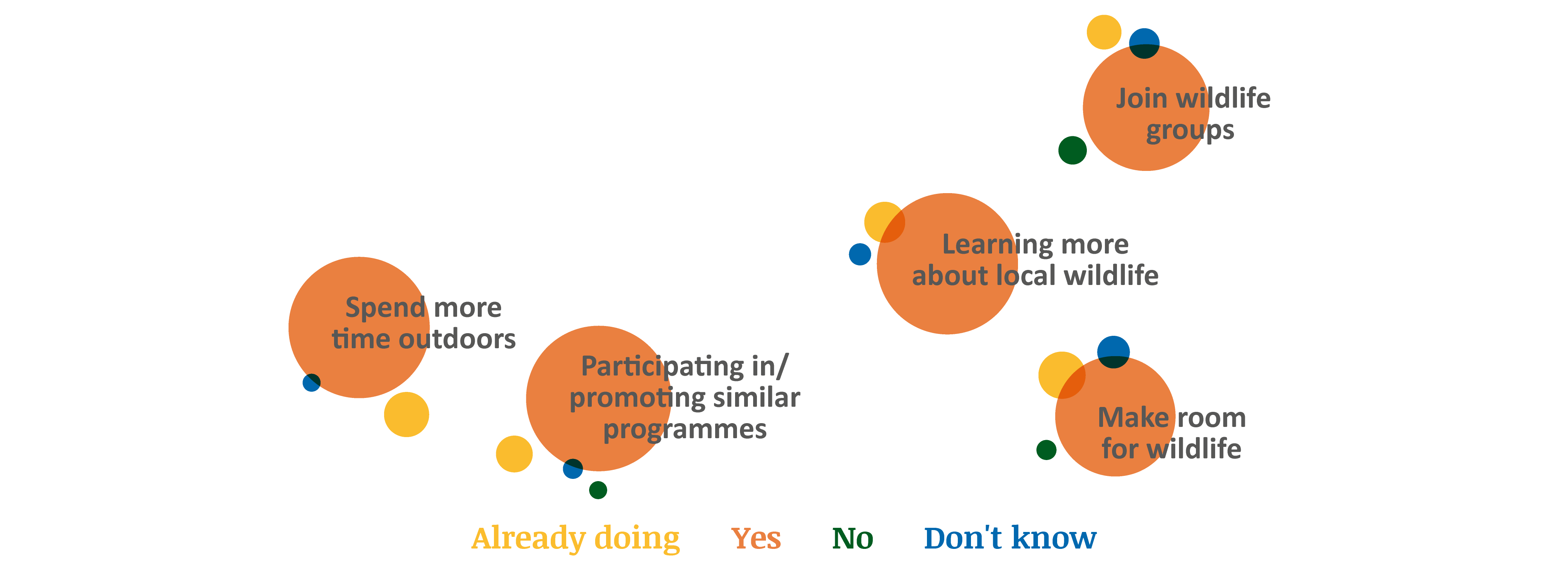
Figure 4
“I learned that untouched landscape is very unique because of the variety of species, and it actually houses more species of insects compared to designed or managed landscape”
UBFC Participant, Negeri Sembilan
Food for thought
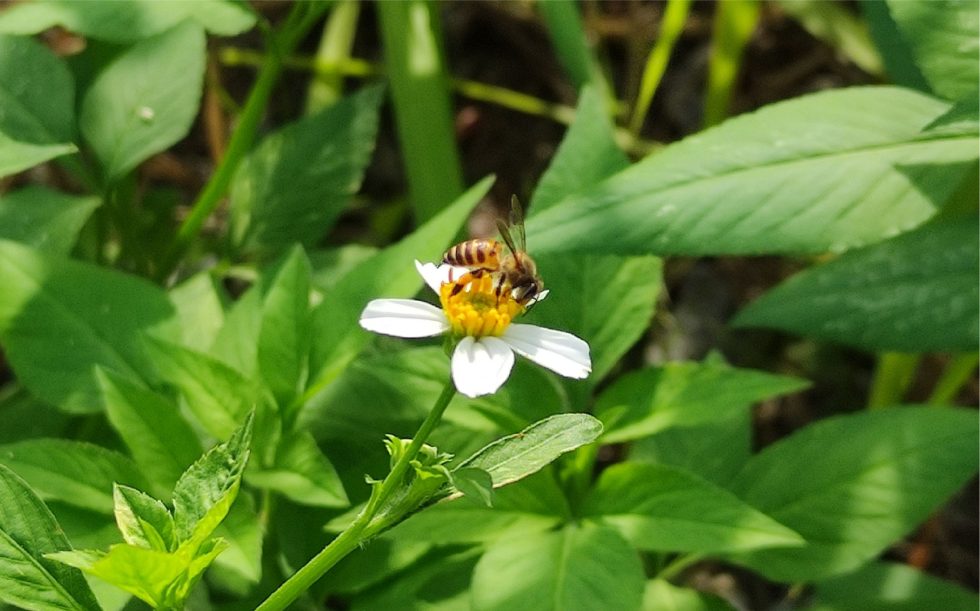
Bees – the stinging pollinators?
While bees are important pollinators, they can be perceived negatively as we are fearful that they can sting and might be dangerous! Find out whether this is true?
“Afraid of being stung!”
UNFC Participant, Tanjong Malim, Perak
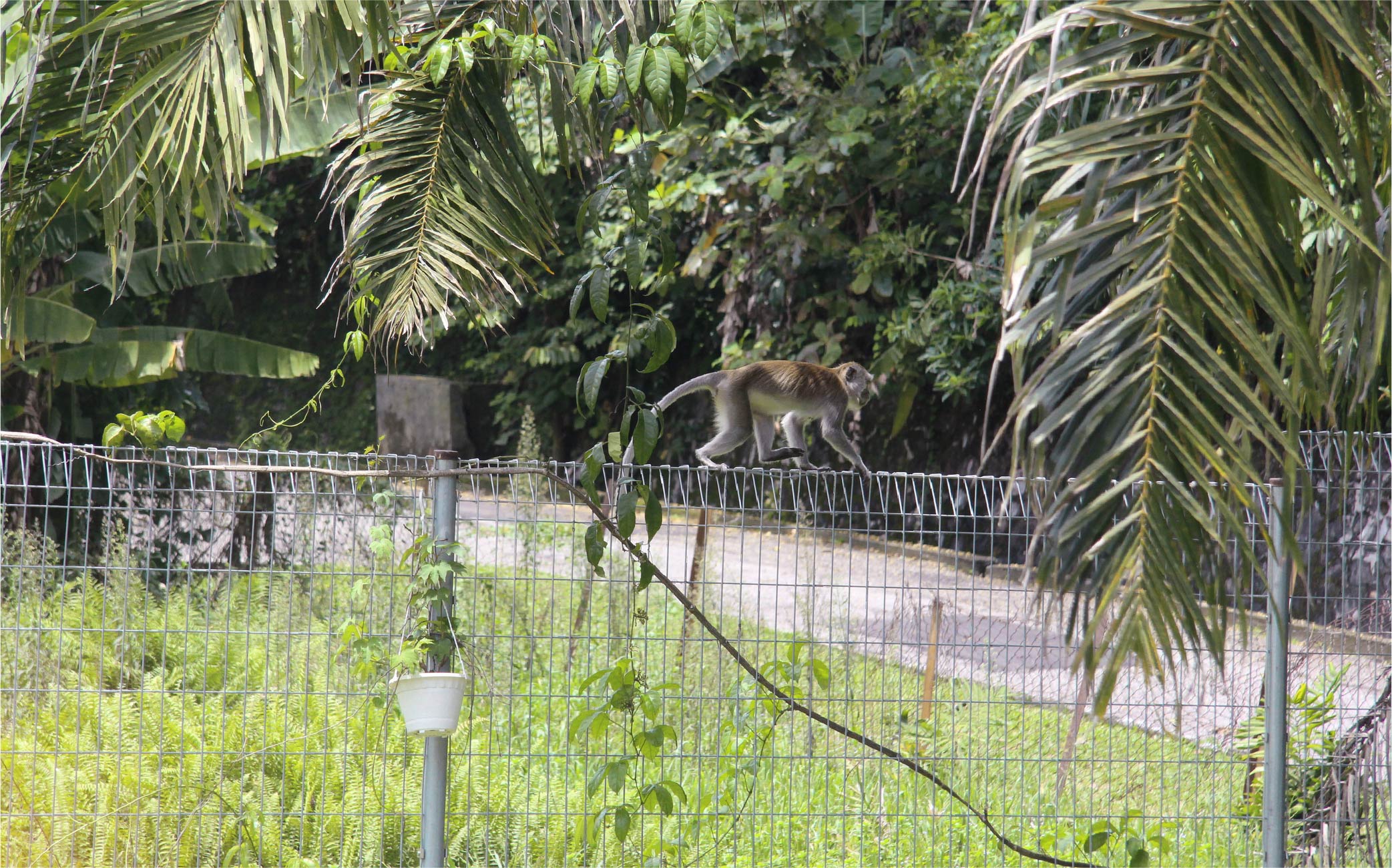
Macaques in the city
For some, monkeys are considered as our cute natural neighbours who deserves our respect since they have existed in our areas longer than we have, but they can also be regarded as dangerous pests and should not be within our midst. Is there a way for us to co-exist?
“Because they are aggressive, and I got scared when I have foods with me”
UBFC Participant, Gombak, Selangor
Wildlife = Hidupan Liar
What might a typical Malaysian consider as hidupan liar & how does this reflect on our positive and/or negative impressions about biodiversity in our cities?
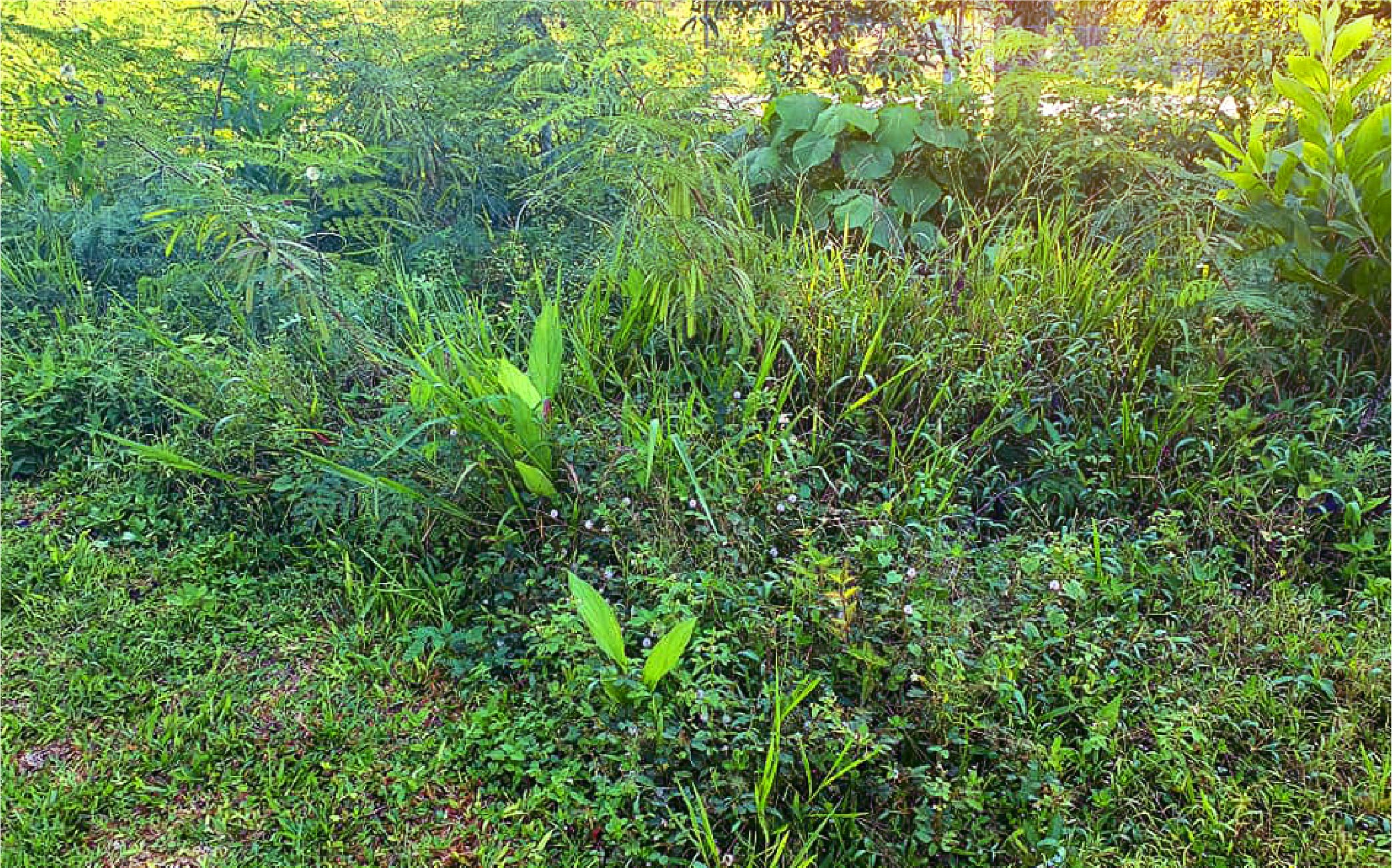
“As for the (wild weedy) plants, I find them dainty yet pretty. The dandelions method to reproduce by being carried by the wind is a cool feature, while the mimosa protecting.”
UBFC Participant, Negeri Sembilan
“Air tenang jangan disangka tiada buaya, Kawasan semak jangan disangka tiada bunga dan rama-rama.”
UBFC Participant, Negeri Sembilan
Reference
Can I bee your friend? Getting to know our urban wildlife (20 May 2021) by Benjamin Ong
