

Di Sekitar Kita: Urban Biodiversity Challenge aims to identify and map habitats and biodiversity that we can find in Malaysian cities, especially those that may be “under the radar”, as well as unpacking preliminary insights into the norms, values, attitudes and perceptions of various stakeholders towards urban biodiversity.
Green City vs. Biodiverse City
“Urban landscapes can be ‘green’ but with only one species no matter how many trees are planted. Not saying that we should move away from greening but we can introduce more urban biodiversity in the urban planning.”
Dr. Lillian Chua Swee Lian (Forest Research Institute Malaysia)
“Green City” is a popular tagline to describe a city’s commitment to sustainability. This conjures ideas of tree planting and securing green spaces. Stakeholders could easily identify the value of urban greenery, with reduction of the urban heat island as the most-cited rationale. However, the ‘biodiversity lens’ is seldom considered. Here are some reasons why:
Established vs new trends
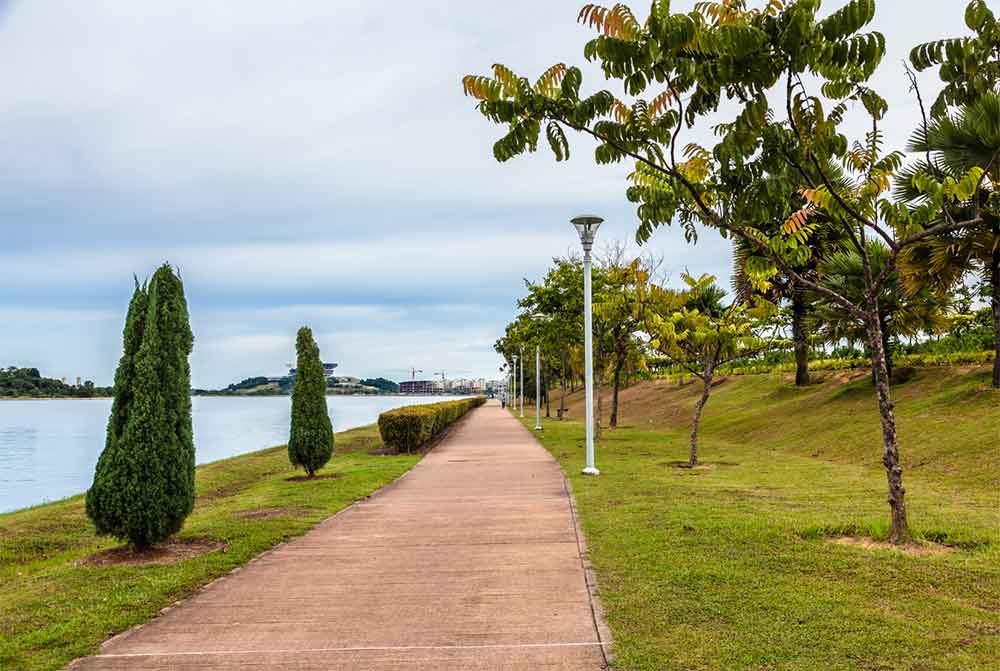
Green landscapes are a norm in planning practice. New trends, such as the Sustainable Development Goals and nature-based solutions, have introduced biodiversity into planning and design, but need further promotion.
Clean vs messy
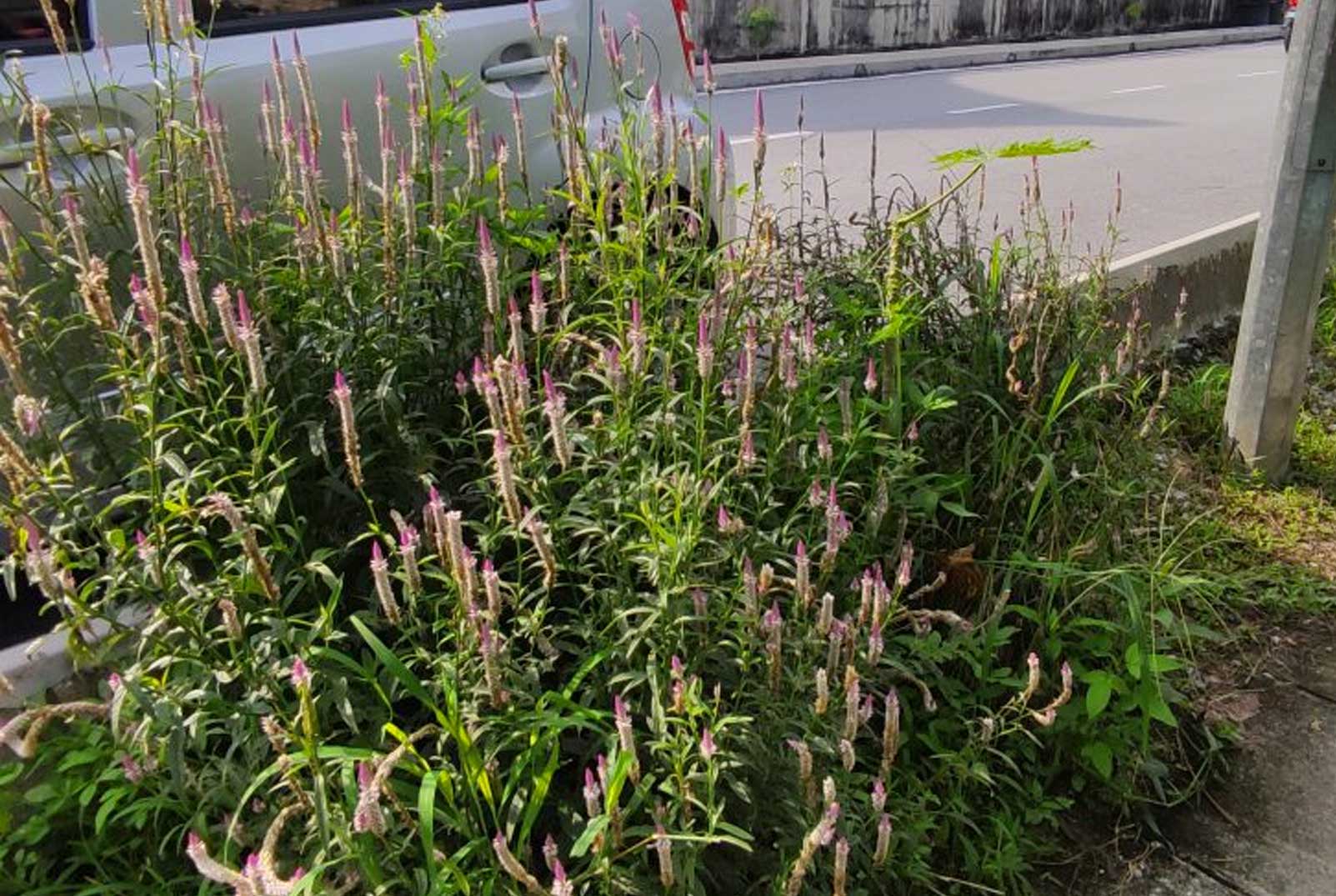
Green urban landscapes are typically neat, structured, and colourful, with carefully selected flora used to create an attractive image valued by the public. By contrast, natural biodiverse landscapes are often messy, obstruct views, and may attract wildlife.
Ease of maintenance and lack of research
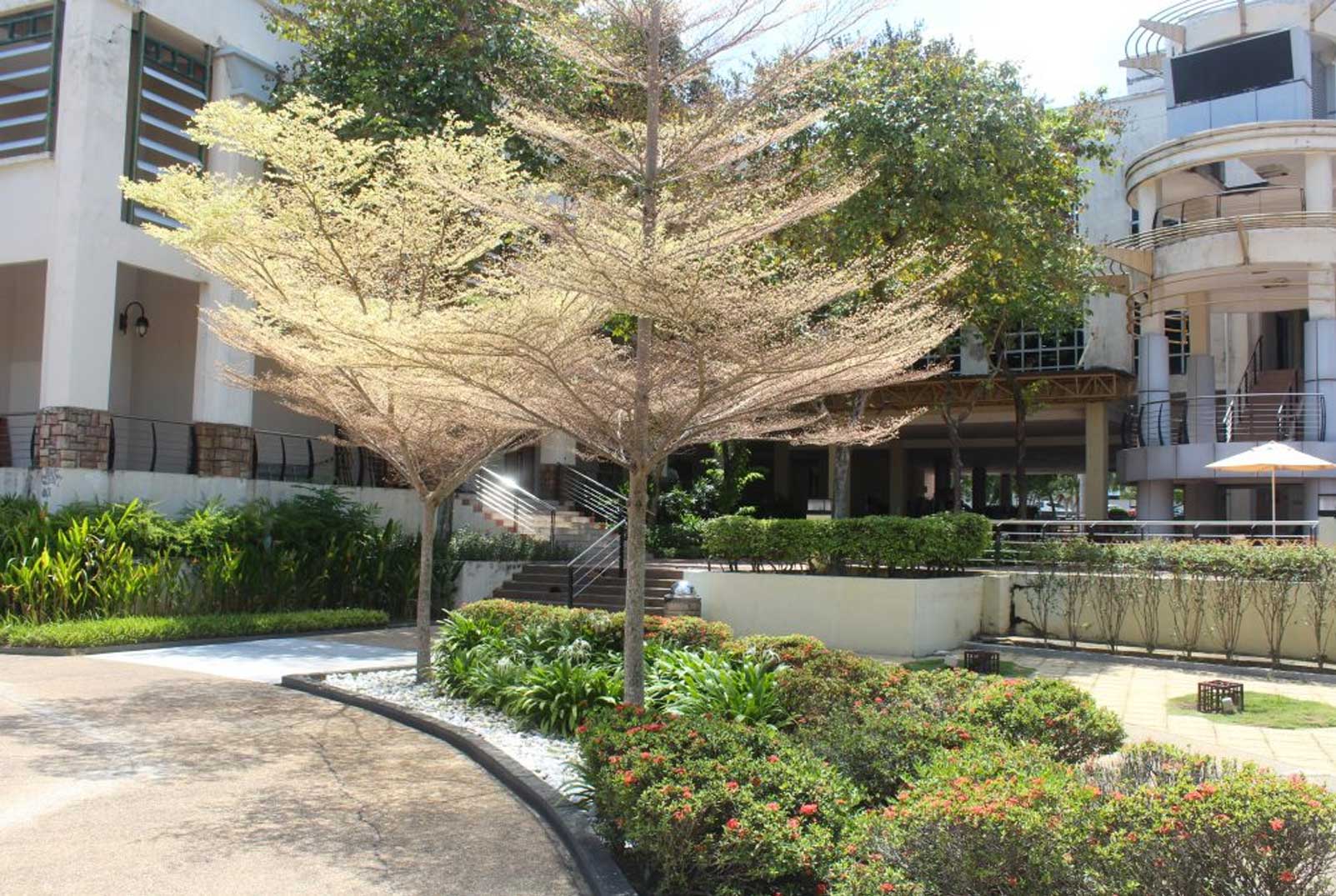
Designed landscapes are well-understood and easier to maintain. Native trees are perceived to be more difficult to maintain due to lack of knowledge about its care in urban settings.
How do we define ‘biodiversity’ in the urban context? These questions are not yet part of the dialogue around greening cities.
Place and biodiversity
“If we can educate the public to accept (biodiversity), then our cities will be more livable and have a lot more fauna instead of just the crows.”
LAr. Meor Abdullah Zaidi Meor Razali, Majlis Bandaraya Ipoh
Where biodiversity is located is an important factor in public acceptability. Generally, stakeholders felt that biodiverse landscapes should be concentrated in places like reserve land, parks, or urban farms, i.e., spaces that are within walking distance of residential areas but not right next door. Heavy human traffic areas such as sidewalks and house gardens are perceived as less suitable for biodiversity.
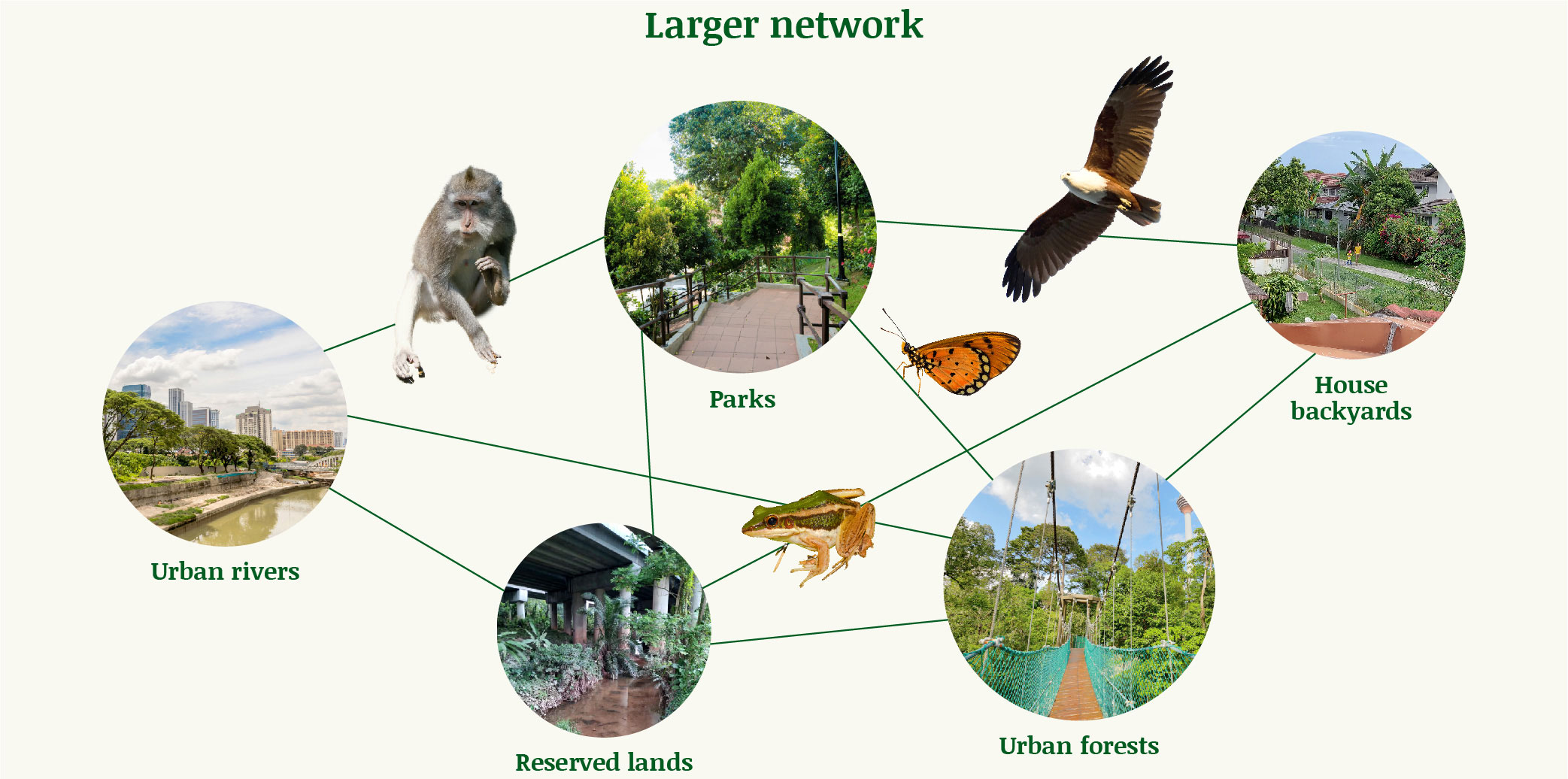
The location of natural biodiverse spaces also matters for ecosystem health. When natural spaces are isolated, wildlife need to intrude upon human habitats to get
from one space to another. Linking urban forests or parks through pocket parks, reserved land and vacant spaces creates a larger network that help flora and fauna to thrive and reduce human-wildlife conflicts. These “linking spaces” can host multiple functions. For instance, a park as a site for recreation could have both a designed landscape for human use and an untouched, messy landscape for biodiversity.
To plant or not to plant?
A space can become biodiverse through planned planting, or by being left alone to establish itself through “succession”. Here, we explore people’s perceptions and acceptance of these approaches.
Planting for biodiversity
Mixed planting
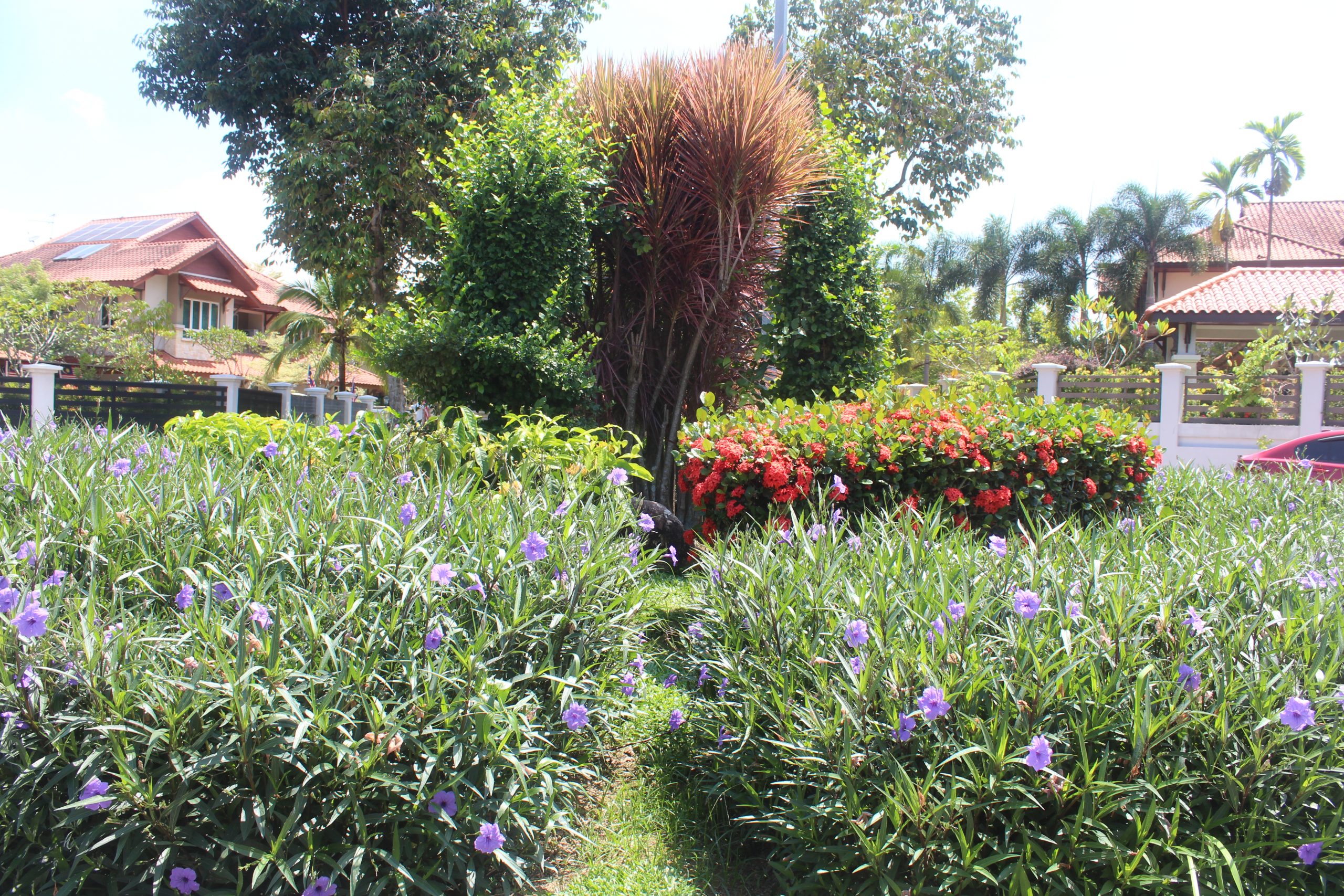
Stakeholders suggest landscape layering using a wide variety of native plants that attract local fauna, as an attractive alternative to manicured landscapes.
Native and non-native
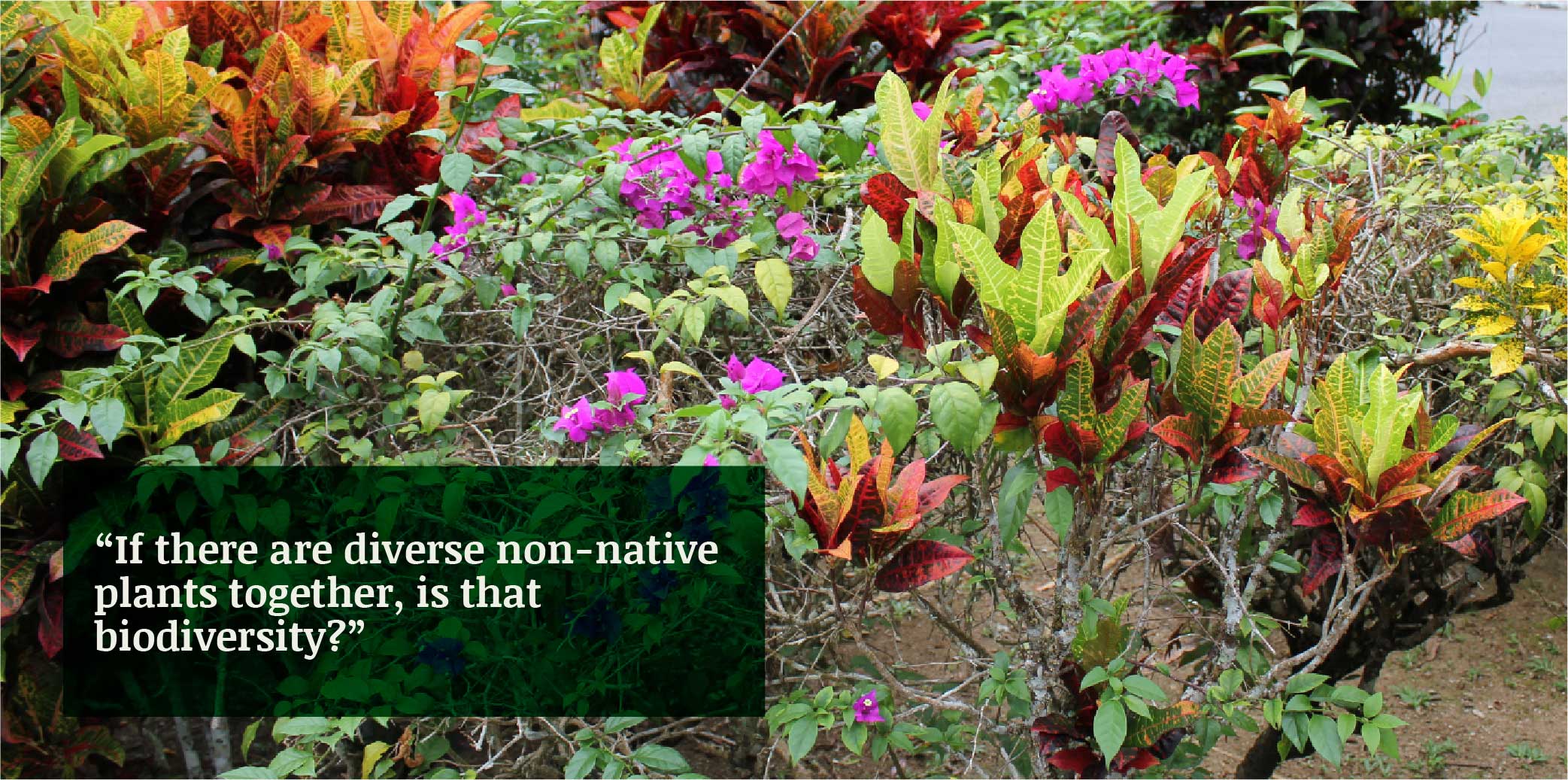
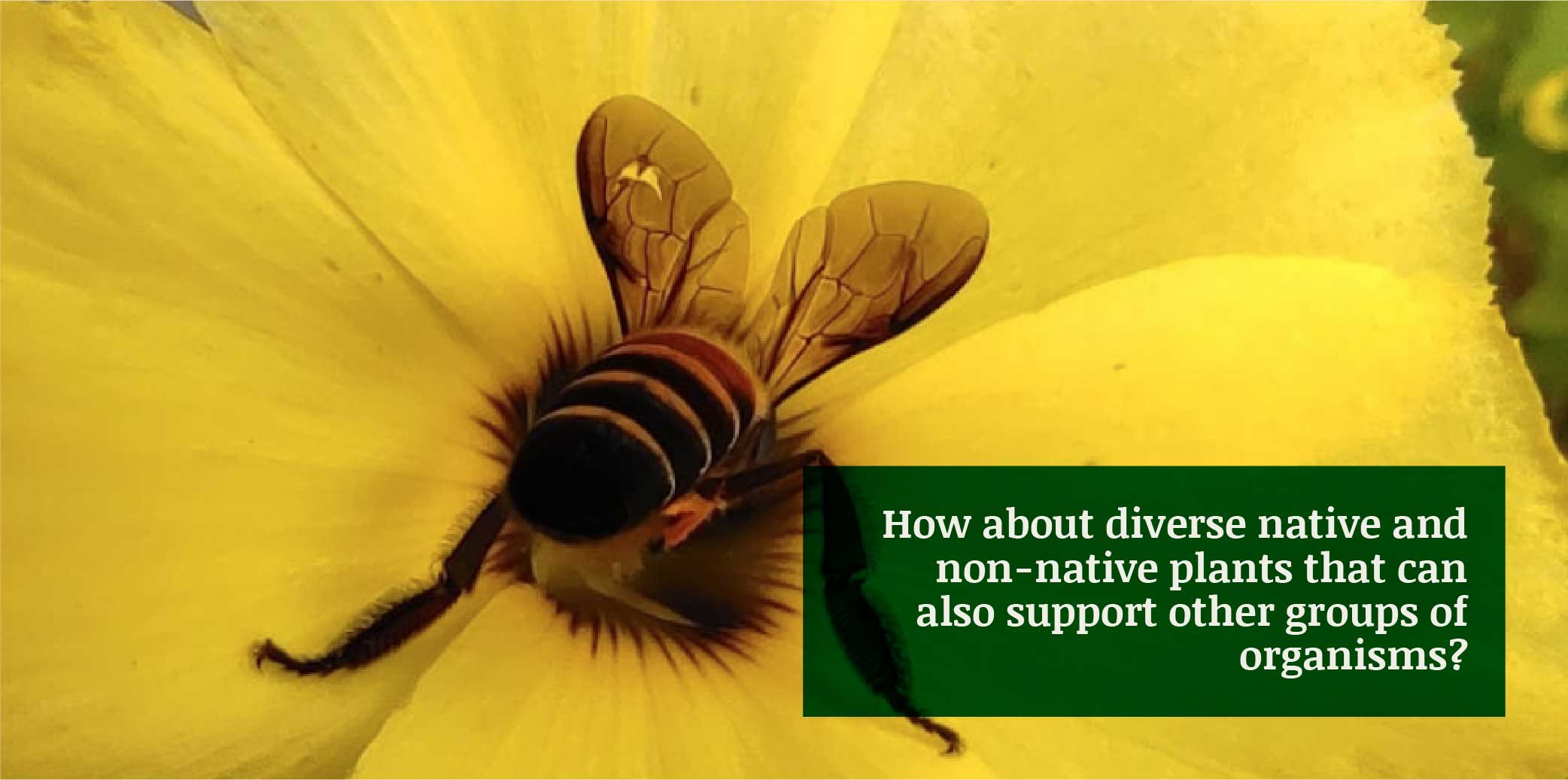
Most people do not know which species are and are not native. Malay names for plants can confuse people into thinking that they are native, while traditional cooking has also been ‘improvised’ with using non-native plants. Additionally, while native species support local fauna, some non-native species such as the Coral Vine also do so. In general, people have no idea what plants can support our local fauna and what a native Malaysia garden would look like.
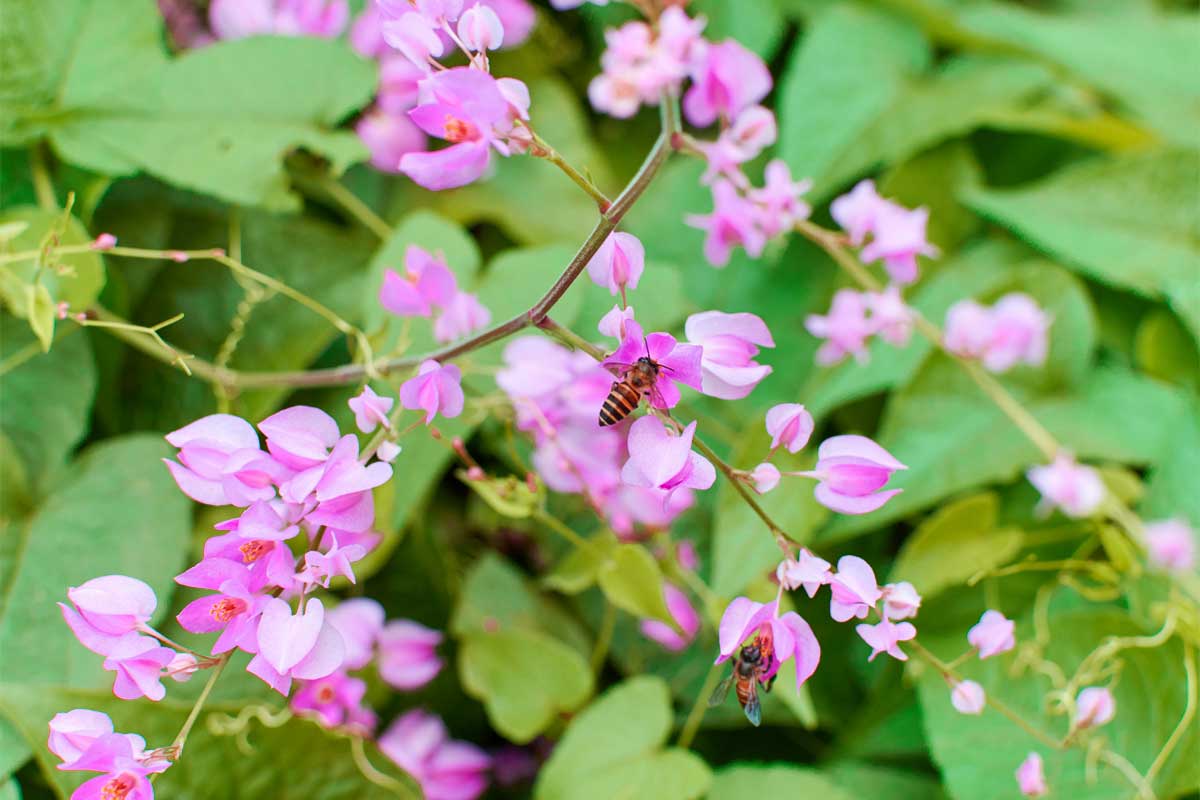
Targeted planting and risk of favoritism
One strategy for biodiversity is targeted planting to attract specific types of ‘desirable’ animals, e.g. wetlands to attract dragonflies, or fruit trees to attract birds. However, there is also risk of people being unhappy when targeted planting inadvertently attracts other “undesirable” urban animals. Additionally, as the public’s knowledge of plant species is fairly basic, targeted planting is likely to favor just a few species of plants.
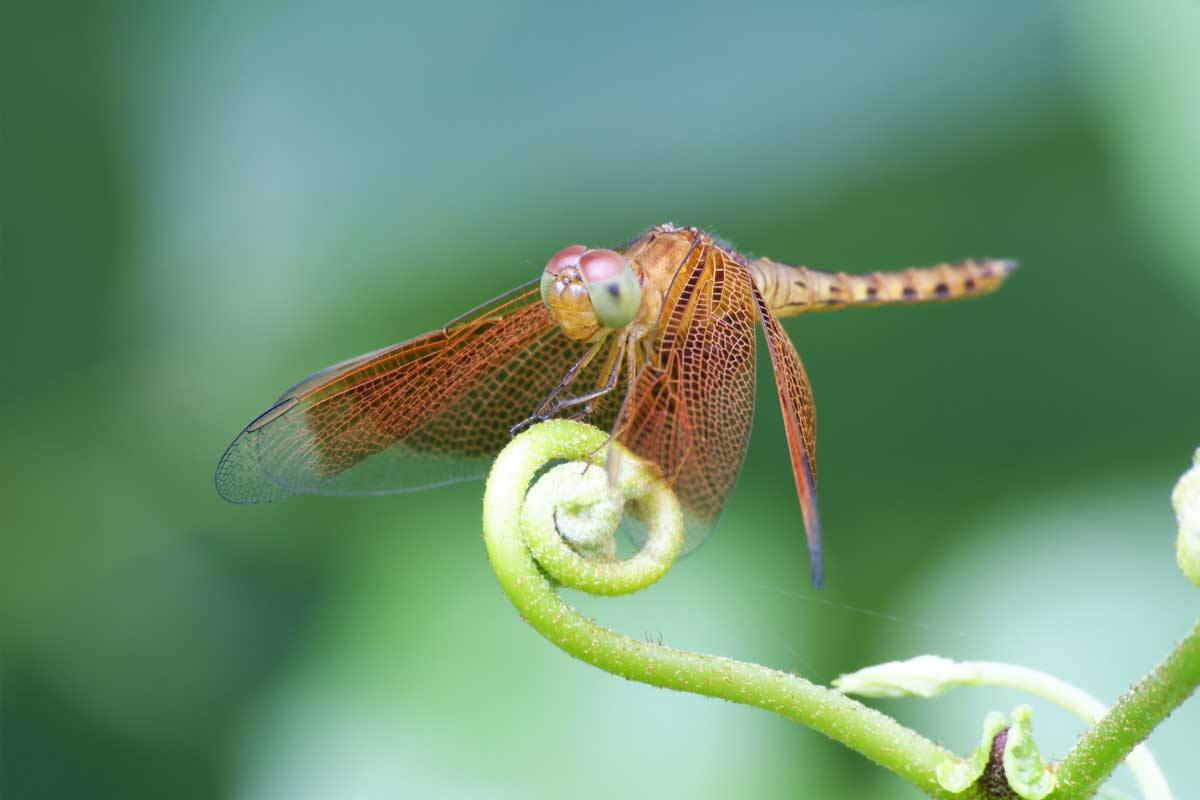
Are urban farms a biodiverse landscape?
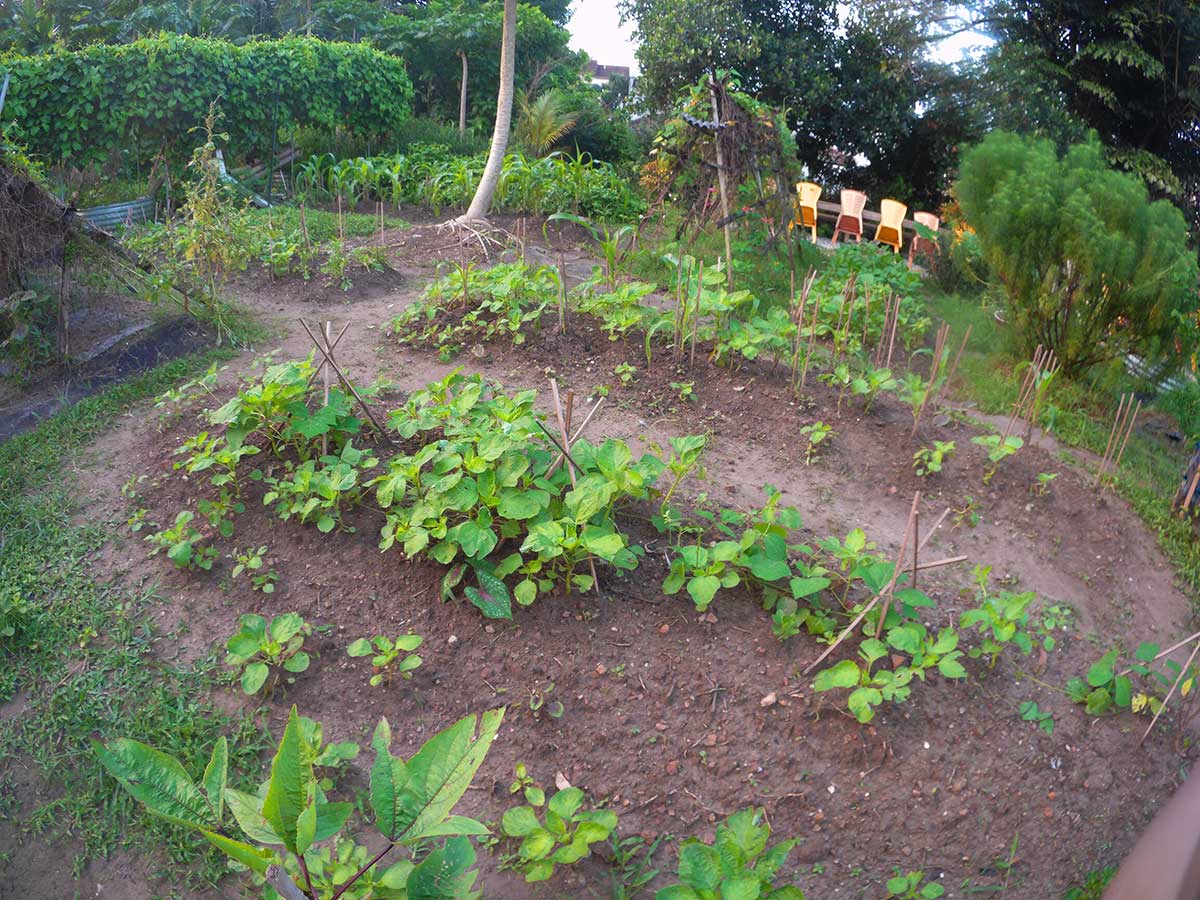
Community farming is fast becoming a popular landscape project in urban areas. They can foster a nostalgic ‘kampung’ feeling in the city, improve mental and social health, and support low-income households, especially during the lockdown. Local councils are appreciative of urban farms as they tend to have high community involvement, ownership, and management. As a shared land, urban farms are perceived as ‘neat’ and ‘acceptable’ to both local authorities and the public.
While urban farms may appear to be a strategic tool for promoting urban biodiversity, there are limitations. Only a select group of edibles are planted on most urban farms. Farmers are selective on which species of wildlife are welcome. Bees and worms are desirable, but other animals such as squirrels, monkeys and snakes may not be welcome. To be effective tools for urban biodiversity, urban farms need to be part of a broader green space strategy that can accommodate wider forms of wildlife.
Allowing natural plant succession for biodiversity
“If you leave your backyard or front garden… if you don’t cut the grass for one year, it will be a forest. In a tropical environment, everything grows so quickly. The birds will drop the figs, macaranga will grow, everything will grow. Does it support biodiversity? Most definitely. [But] do you want a forest in everybody’s front yard or backyard? Slightly different question.”
Baida Hercus, Free Tree Society
How plants community changes over time

Urban forests are perceived as an ideal urban landscape for biodiversity. However, people don’t usually think about the succession process that happens before a space turns into a forest. Succession is a process in which a plant community changes over time. It may appear in the form of wildflowers, herbaceous plants, and forest edge trees (in Malay these spaces are called semak or belukar) before becoming a habitat for secondary forest species.
Semak and belukar are typically described as ‘empty’ or ‘nothing significant’. They are often seen as sites that needs to be cleared, ‘activated’ as an urban farm, or developed. However, these spaces are very productive sites for animal activities (foraging, mating, and shelter). They are also useful for protecting against flash floods and as a buffer to reduce noise and pollution, and to provide privacy.
We need to change the way we interact with the abandoned/ vacant/ reserved spaces:
- Safety and conflicts: There is a pervasive fear of potentially dangerous animals such as snakes and mosquitoes among semak and belukar. These spaces also evoke “fear of the unknown” due to the variability of plants that can grow and animals that can live there. Biodiversity is associated with mess, danger, and eye sore, which generates discomfort. Such spaces are also associated with societal problems such as snatch thefts, waste dumping (which creates breeding spots for Aedes mosquitoes) and squatters.
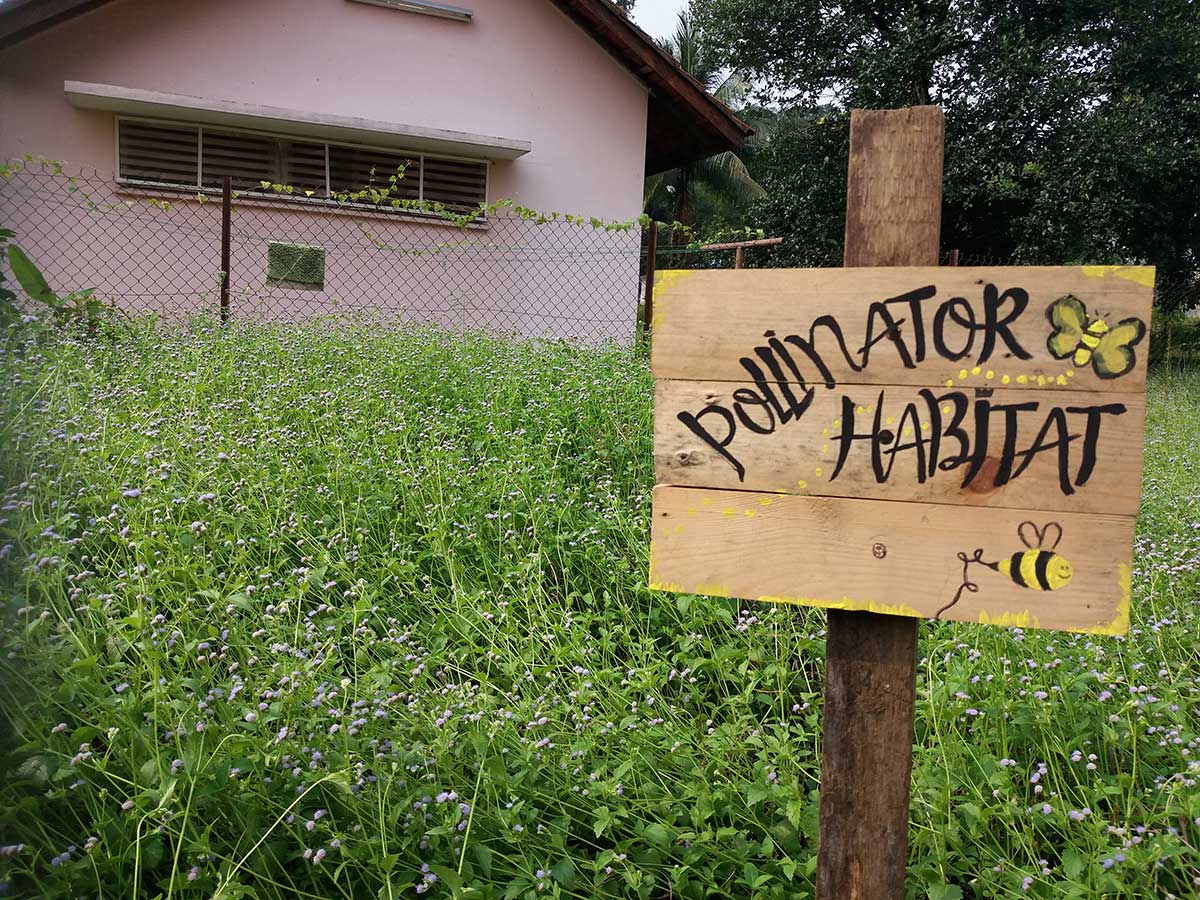
- To increase the acceptability of biodiverse ecosystems, we need more positive names for these spaces. Wildflowers are often described as ‘weeds,’ whereas semak (small forest) is a Malay word which can also be understood as an ‘annoyance’. One participant pointed out that a ‘messy’ landscape (negative association) could be described as ‘natural’ (positive association). We can rebrand ‘semak’ as ‘pocket parks’ or ‘pollinator gardens,’ integrating them with minimalistic design for human use such as trails or educational parks. Education about the value of such spaces should take place, from early school education to engagement of local communities by local councils and NGOs in land-use conversations.
How can natural succession be allowed
in the city to increase biodiversity?
- Allowing minimal succession: While lalang is often perceived negatively, other species of succession plants such as wildflowers may be more acceptable to the public. Instead of clearing everything, vacant spaces can be managed more sustainably by allowing more ‘tolerable’ plants to live. This solution could also include cutting the grass less often and using paver as pathways to allow grass and wildflowers to grow.
- Enhancing natural succession sites: Stakeholders suggest that succession process can be accompanied with planting native trees. These areas are also seen as a ‘safer’ location for native trees to grow well without causing any conflict with structures and utilities in the city.
- Understanding the ecology of succession: Medium sized trees should be allowed to grow to close the canopy and prevent semak-samun (plants growing wild and messy) that are considered undesirable.
Human-nature interaction
Introducing a biodiversity-centered solution to greening will be an invitation for different types of urban animals and plants into to urban landscapes. We can learn from existing human encounters or conflicts with plants and animals for better design.
Knowing the ‘common’
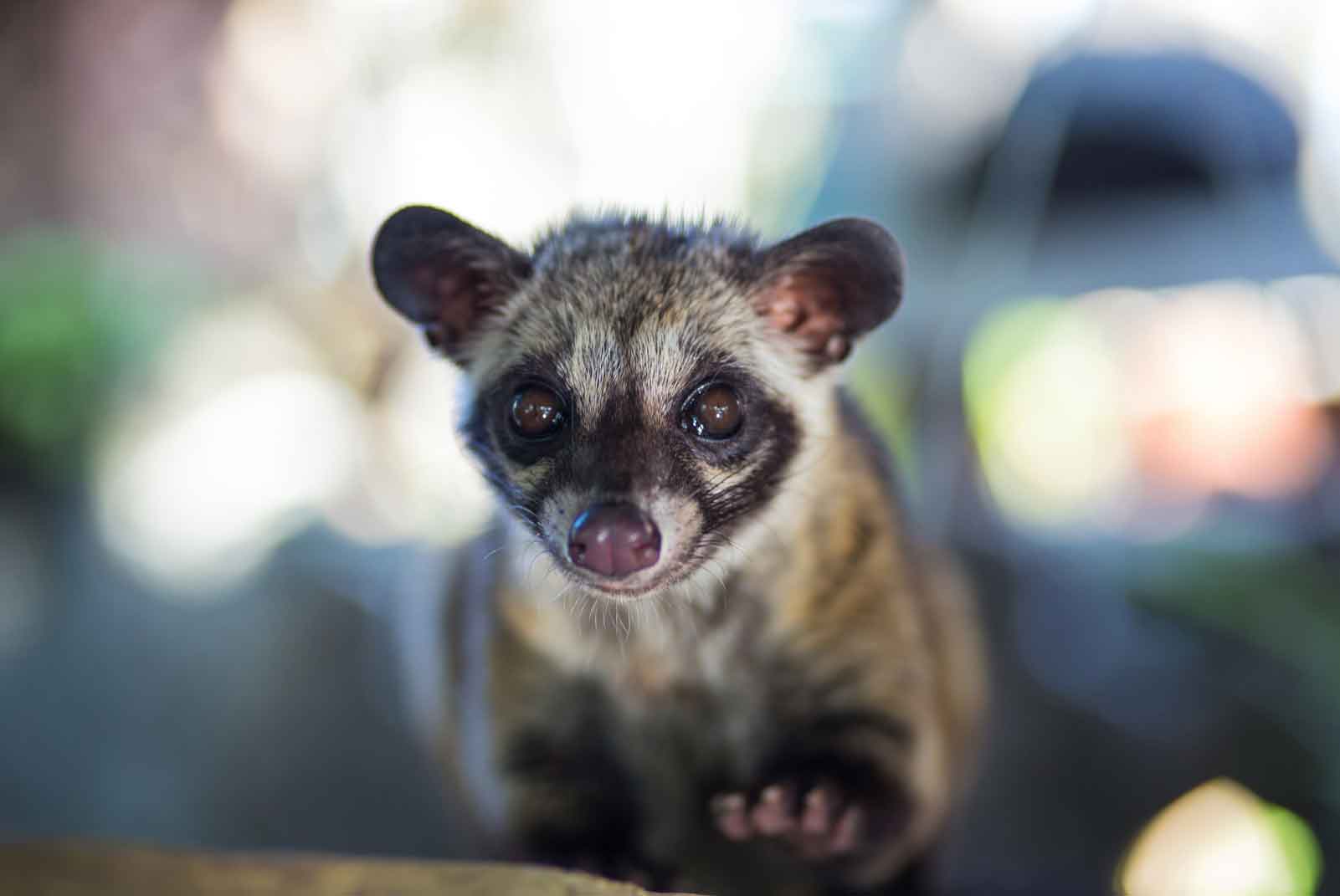
Urban animals are often perceived as “common,” and thus uninteresting. However, urbanites often do not realize what species can be found in the city. Schools only teach about animals that live in the jungle, or those not found in Malaysia. We mainly notice urban animals when they are a nuisance. A place-based education about urban plants and animals and their functions can help us appreciate the ‘common’.
Addressing tree phobia
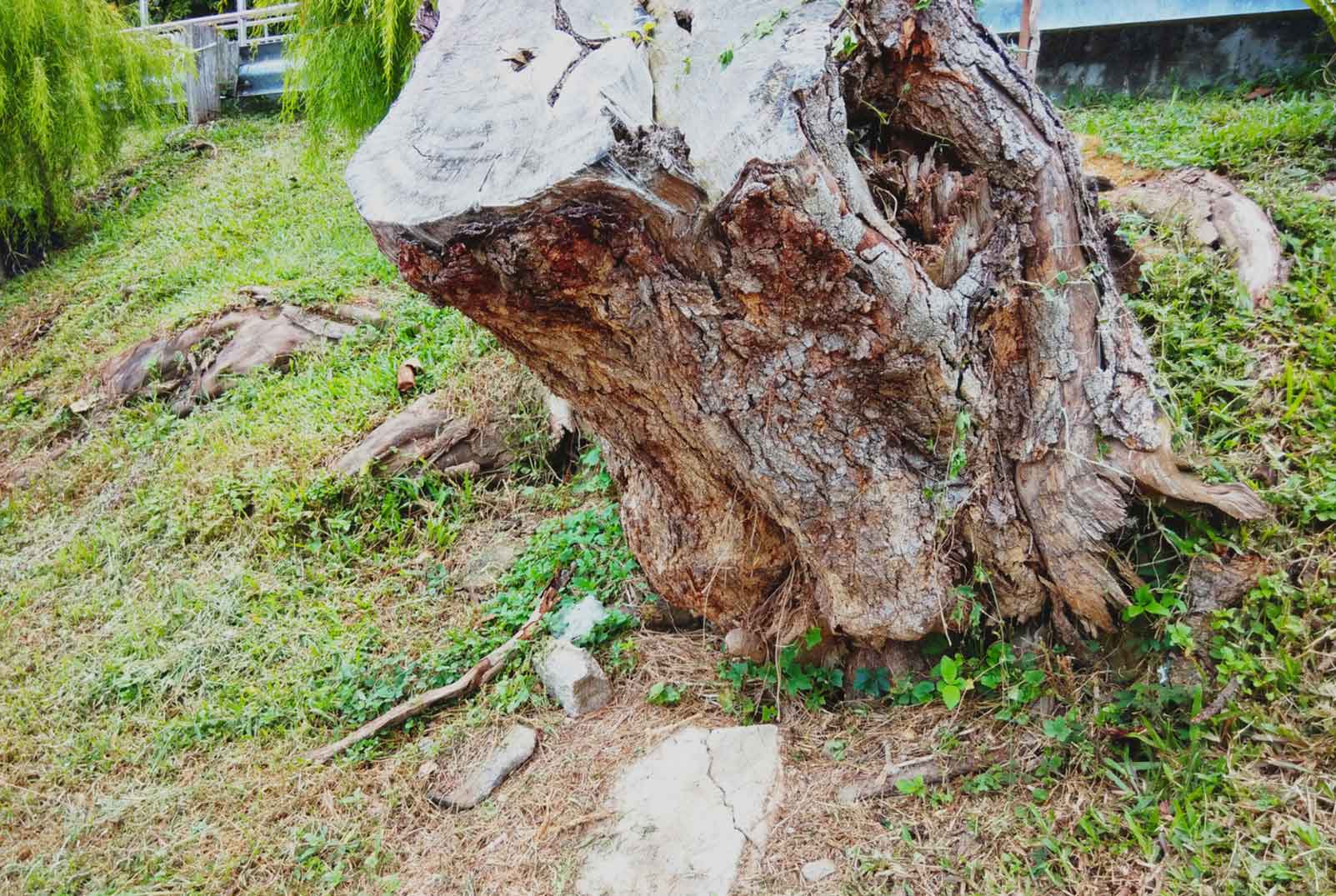
Members of the public have many misconceptions which create ‘tree phobia,’ i.e., thinking some trees are dangerous when they are not. Handling such complaints ‘case-by-case’ and communicating with the community after inspection addresses these fears.
Religion, belief and culture
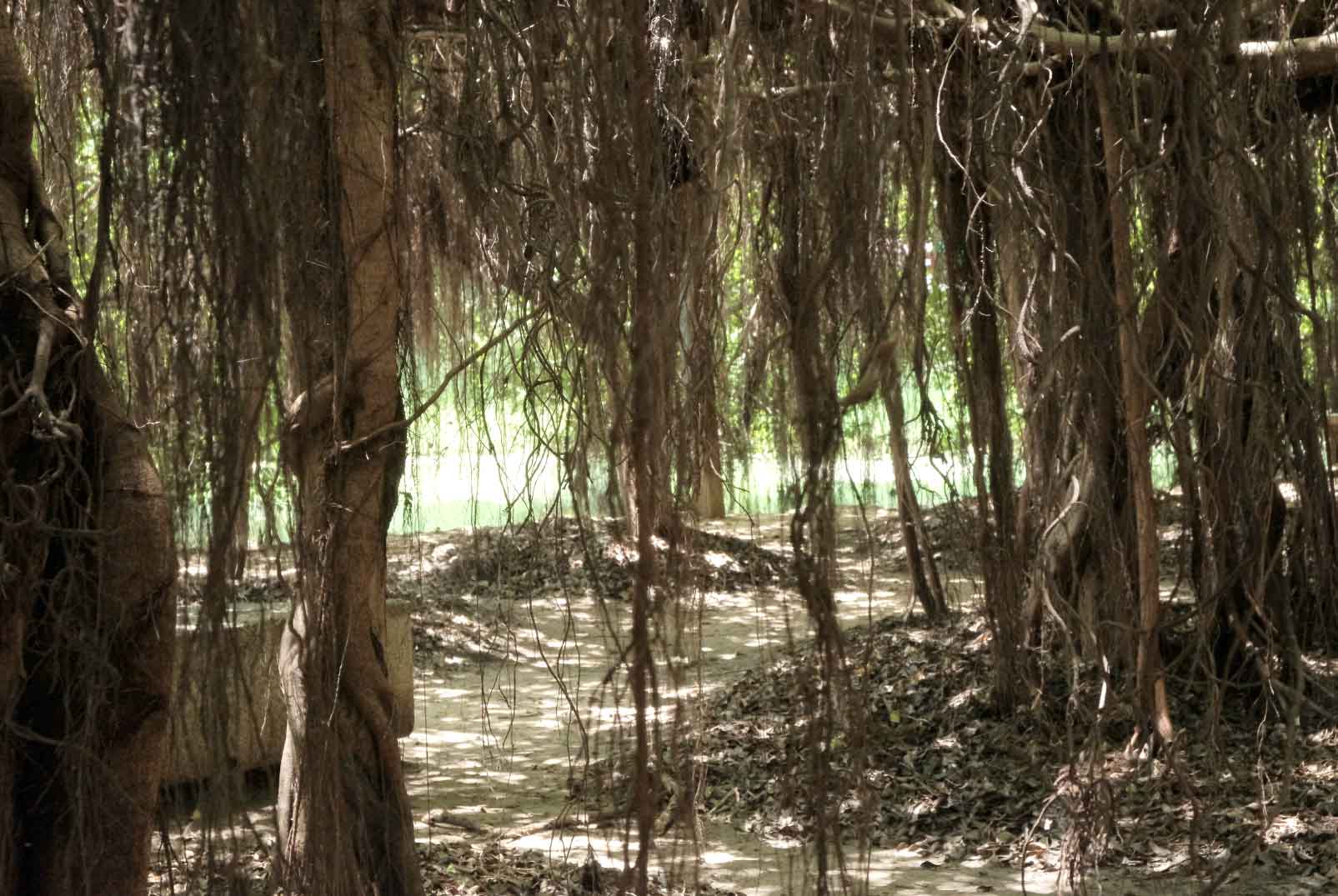
Religion, belief and culture influence the acceptability of plants. For instance, people cutting down trees in front of shops because it blocks the feng shui i.e. wealth from entering. Parks with many trees and semak may be seen as sites that encourages maksiat or as a place for ghosts! To counter this, we should promote stories from religion, belief, and culture that contain positive messages about native plants and animals.
Edible gardening
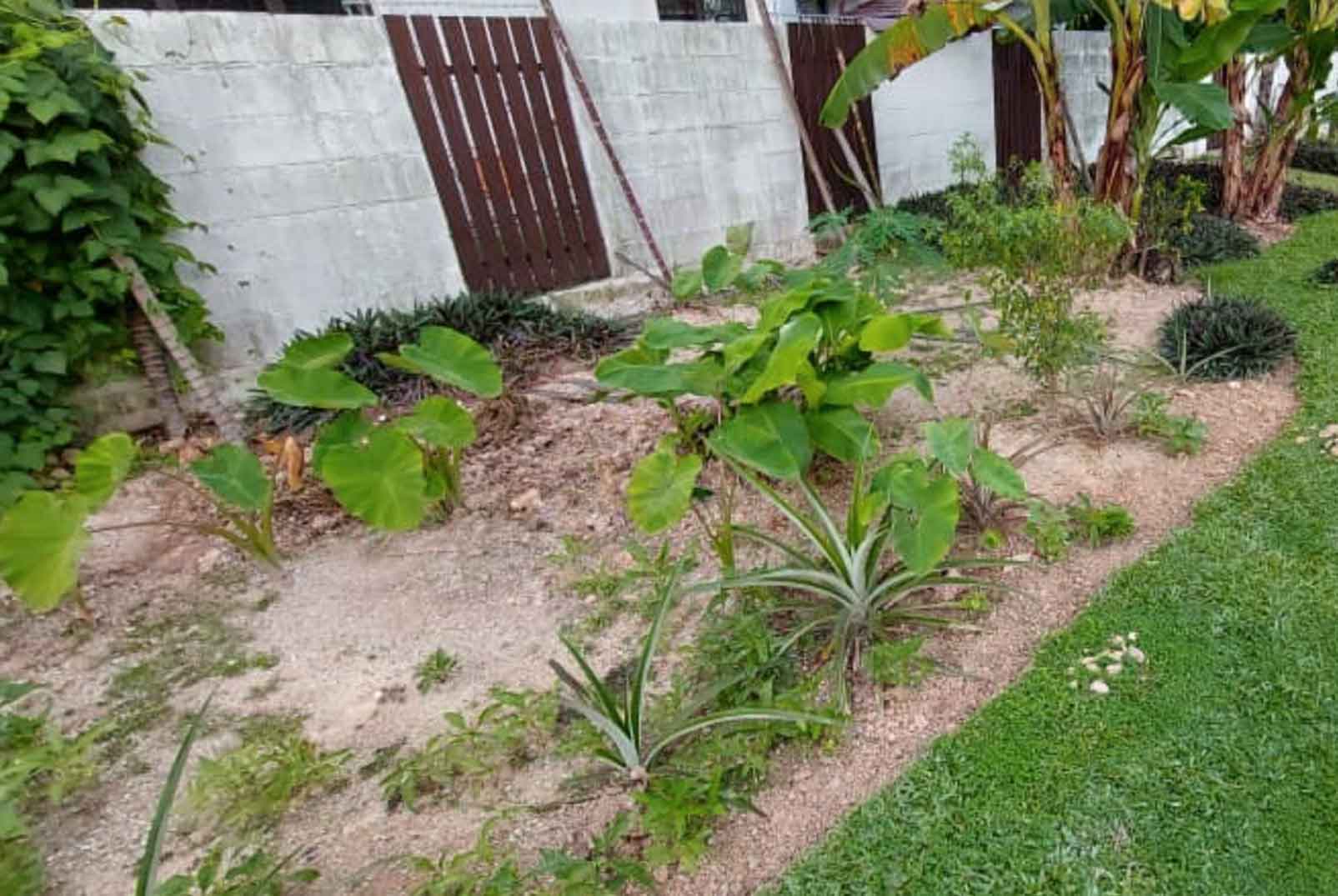
Edible gardening may have conflict with neighbours/public stealing produce. Within a neighbourhood, stakeholder suggests that produce should be free for all (the plant type that people don’t mind sharing) while another suggests that having a good neighbourhood value such as tolerance and “asking politely” would’ve helped to divert the conflict. For fruit trees meant for animals, currently there is no law about plucking leaves and fruits in Malaysia public spaces, thus this type of conflict can arise.
About the research
We would like to acknowledge and thank every organisation and individuals mentioned below for playing a very important role in urban environmental conservation and for sharing their insights with us. In July 2021, we completed at least 16 hours’ worth of semi-structured interviews with 16 organisations. This includes four government organisations (three local authorities from Subang Jaya, Iskandar Puteri and Ipoh; and Universiti Malaya), two professional group (Forest Research Institute Malaysia and Institute of Landscape Architect Malaysia), 5 NGOs (WWF Malaysia-Sarawak, Free Tree Society, Treat Every Environment Special, Persatuan Kebajikan Golongan Asnaf dan Gelandangan Kuala Lumpur dan Selangor (KASGE), Malaysian Nature Society-Urban Community Forest) and five individuals (all of whom are in some way an active member of the community in Kuala Lumpur, Petaling Jaya, Johor Bharu, Pasir Gudang and Kuching). We also conducted a two-hour participatory focus group discussion which was attended by the 12 organisations/individuals mentioned above.
The findings above were analyzed using thematic analysis as a means to identify, analyze and report patterns (themes) within data (Braun and Clarke, 2006).
References
Braun, V. & Clarke, V. (2006). Using thematic analysis in psychology. Qualitative Research in Psychology, 3(2), 77-101.
Goh, T.G. (2021). Succession. Retrieved from https://ubi-my.com/2021/03/03/succession/
